Metal Roof Versus Shingles: What Are The Pros And Cons
Choosing a roofing material is more than just picking a look for your home. It affects how well your house handles the elements, how much energy you use, and how often you’ll need repairs. For homeowners in Texas, especially in the Austin and DFW areas, the stakes are even higher. With intense heat, frequent hail, and fast-changing storms, the roof you choose has to stand up to real challenges. This guide compares metal roofs and asphalt shingles in depth, giving you the pros, cons, and decision factors so you can make the right call for your home.
Understanding the Roofing Options
KangaRoof has installed both metal and asphalt roofing systems for thousands of homeowners. Our team is experienced in guiding customers through the pros and cons of each option, so you can feel confident in your choice.
Metal Roofs
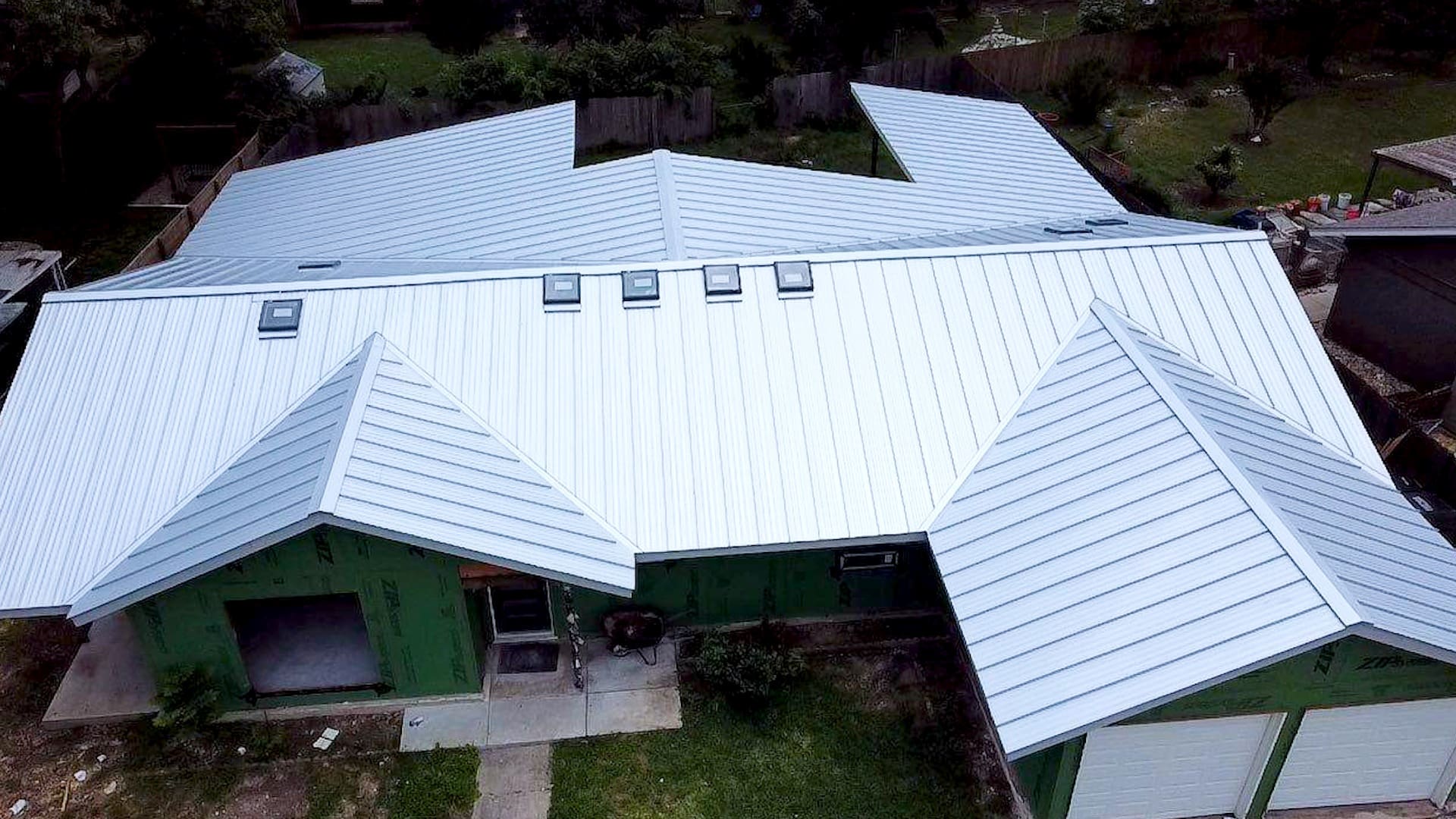
Metal roofs come in a variety of materials, including galvanized steel, aluminum, zinc, and copper. Painted steel is the most popular choice for residential projects due to its durability and resistance to corrosion. Styles range from sleek standing seam panels to stamped metal shingles that mimic wood, slate, or tile. Metal roofing is known for its longevity, resilience, and modern appeal.
Metal roofs are valued for their durability in extreme weather and ability to reflect solar heat. They are also compatible with solar panel systems, making them a smart choice for energy-conscious homes. While the upfront cost can be high, the long-term savings and minimal maintenance often make metal a worthwhile investment.
Asphalt Shingles
Asphalt shingles are the most common roofing material across the country, and for good reason. They’re affordable, versatile, and relatively easy to install. Available in 3-tab, architectural, and luxury styles, shingles work with nearly any home design. They’re frequently used in neighborhoods with HOA restrictions and where matching existing homes is important.
Architectural shingles are the most popular option due to their dimensional appearance (resemblance to the old wooden shingles) and improved durability. While shingles don’t last as long as metal, they offer solid performance for the price and are easy to repair or replace after storms.
Comparison by Key Factors
Cost
Metal roofs typically cost two to three times more than asphalt shingles upfront. However, they require fewer replacements, last longer, and may qualify for energy rebates or insurance discounts. For homeowners planning to stay long-term, the investment often pays off.
Shingles are the more budget-friendly option, especially when factoring in installation speed and materials. If you’re planning to sell in a few years or need a quick replacement after storm damage, shingles offer a practical solution.
Insurance
While metal roofs almost always qualify for insurance discounts, it is important for the homeowner to know that, in most cases, they will have to sign a Cosmetic Damage Waiver in order to receive the discount. This means that if hail leaves your metal roof looking like a golf ball but it doesn’t actually leak, you will either have to pay for the replacement 100% out of pocket, or live with the golf ball look. If the insurance discount is a critical part of your decision, please talk with your insurance agent to find out how your insurance company handles metal roof discounts
Lifespan and Durability
Metal roofs can last 40 to 70 years, depending on the material and finish. They resist hail, wind, fire, and pests. In places like DFW where hailstorms are frequent, metal roofing offers peace of mind.
Shingles usually last 15 to 30 years, but intense heat and sun can shorten their lifespan. While they perform well under normal conditions, severe storms or falling branches can damage the surface more easily than metal.
Maintenance and Repairs
Metal requires less frequent upkeep, though repairs can be more technical. Expansion and contraction due to temperature changes can loosen fasteners over time, so periodic inspections are recommended.
Shingles are simple to repair, and almost all roofers are equipped to handle them. That said, shingles are more likely to need attention sooner—especially after heavy storms, high winds, or UV exposure.
Energy Efficiency
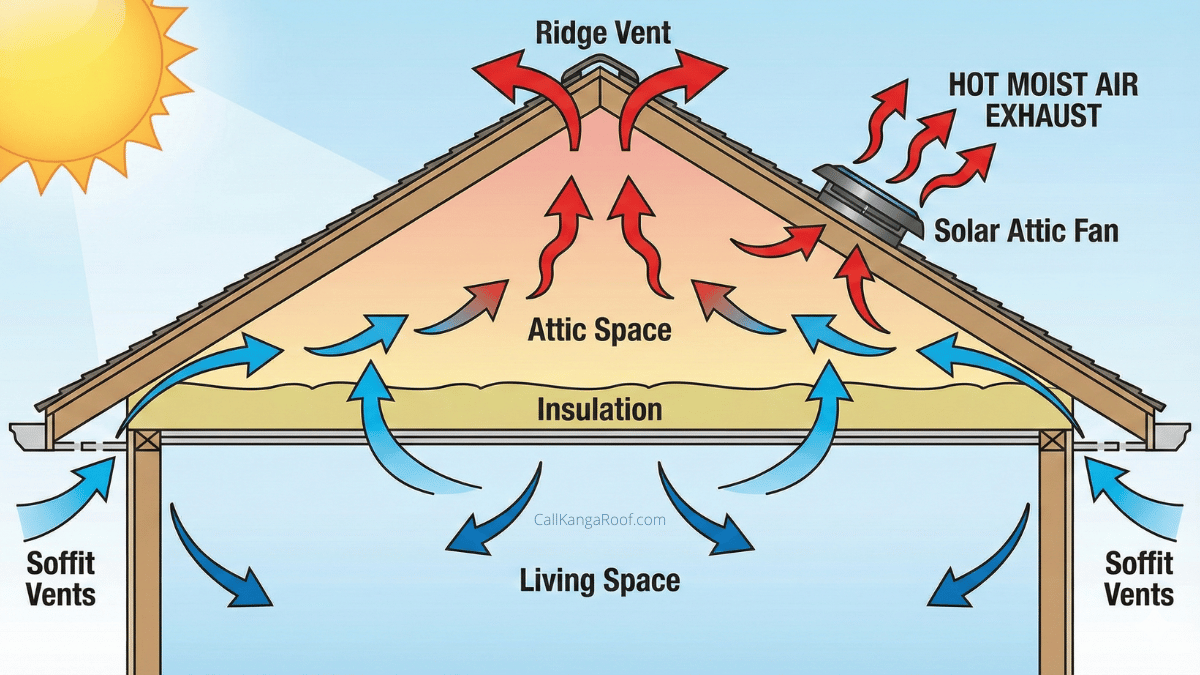
Metal reflects heat effectively, reducing attic temperatures and easing the load on your cooling system. Reflective coatings can further boost this performance, which is especially helpful in hot summer climates.
Some asphalt shingles are designed to reflect heat, but overall they absorb more sunlight. “Cool roof” options exist, but they generally don’t perform as well as metal in hot, sunny conditions.
Aesthetics
Metal roofs create a clean, modern look and are available in a wide range of colors and finishes. They pair well with contemporary, custom, and farmhouse-style homes. Their visual impact can add curb appeal and stand out in rural or modern settings.
Asphalt shingles offer more traditional appeal and can blend in better with established neighborhoods. They come in many colors and textures, including options that simulate slate or wood, allowing flexibility in design.
Installation Process
Shingle installation is straightforward, quick, and familiar to most contractors. Most jobs can be completed in one to two days, making it ideal for storm-related emergencies.
Metal roofing installation is more complex and requires experienced installers. It takes longer and can be more disruptive, but the result is a stronger, more weather-resistant system.
Environmental Impact
Metal roofing is often made from recycled materials and is fully recyclable at the end of its life. Its long lifespan reduces waste and production emissions, making it one of the most eco-friendly options available.
Asphalt shingles are petroleum-based and less sustainable, though recycling programs are expanding. Still, most old shingles end up in landfills, and their shorter life means more frequent replacement.
Resale Value and ROI
Metal roofs can increase a home’s value, especially among buyers looking for energy efficiency and longevity. They reduce concerns over upcoming repairs and can be a selling point in harsh weather zones.
Asphalt shingles maintain wide market acceptance and may be preferred in traditional neighborhoods. Newer architectural shingles can also boost curb appeal and avoid raising red flags during inspections.
Decision Criteria for Homeowners
- Budget: Choose shingles for lower upfront cost. Choose metal for long-term value.
- How long you’ll live in the home: Metal pays off if you’re staying 20+ years.
- HOA and neighborhood standards: Shingles often align better with HOA rules.
- Weather exposure: Metal holds up better in hail, heat, and high winds.
- Architectural style: Shingles match traditional homes. Metal suits modern or custom builds.
- Noise: Metal can be louder in storms without extra insulation.
- Insurance: Metal may qualify for reduced premiums in some cases.
- Solar compatibility: Metal roofs pair well with solar systems.
- Timeline: Shingles are faster to install.
When to Choose Metal Roofing
Metal is the right choice if you want long-lasting protection with low maintenance. It’s ideal for hail-prone regions, homes with solar panels, or modern designs that need a sleek aesthetic. For homeowners looking for energy savings and strong storm performance, metal roofs deliver long-term peace of mind.
When to Choose Asphalt Shingles
Shingles make sense for homeowners looking to manage upfront costs, speed up installation, or match a neighborhood’s style. They’re especially useful for homes under HOA guidelines or where quick post-storm repairs are needed. Their widespread use and contractor familiarity also make them easy to maintain.
Quick Comparison Table
| Feature | Metal Roof | Asphalt Shingles |
| Cost | Higher upfront, longer lifespan | Lower upfront, more frequent replacement |
| Lifespan | 40–70 years | 15–30 years |
| Durability | Excellent in hail, wind, and heat | Moderate, less hail resistant |
| Maintenance | Low, but repairs can be more difficult | Easy to repair, more frequent needs |
| Energy Efficiency | Reflects heat, lowers cooling bills | Some options reflect heat |
| Aesthetics | Modern, sleek options | Traditional and wide variety |
| Installation | More complex and time-consuming | Faster and more widely available |
| Environmental Impact | Recyclable and sustainable | Petroleum-based, limited recycling |
| Resale Value | Can boost value, great for buyers | Consistently accepted by buyers |
| Solar Ready | Highly compatible | Highly compatible |
Final Thoughts
Both metal and shingle roofs are reliable choices depending on your needs. Homeowners face a range of weather conditions and architectural preferences that make the decision more complex. Think about how long you’ll stay, what your neighborhood requires, and how much you’re willing to spend today versus over the long haul.
Ready to explore your roofing options? KangaRoof is here to help! Contact us today and let our experts help you make the right choice for your home. We offer free consultations and expert recommendations tailored to your home and budget.