How Much Does A New Roof Cost In Austin, Texas?
Finding out you need a new roof can be stressful.
One of the first questions most people ask is:
“How much does a new roof cost?”
It’s a fair question to ask, but it’s also not a simple answer. The truth is that it depends on several factors, and unfortunately, those factors aren’t always explained clearly.
At KangaRoof, we have installed over 5,000 new roofs in the Austin area. We’ve seen roofs in a wide range of conditions. Our team knows firsthand how confusing roofing estimates can feel when you don’t know what goes into them.
As a homeowner, you deserve to understand what actually goes into the price of a new roof and why estimates can differ. In this article, we’ll walk through the most common factors that impact the price of your roof. By the end of this, I want you to feel more confident when reviewing estimates and to know what to expect.
How Does the Size of My Roof Affect the Total Cost of a New Roof?
You may have heard of a contractor throwing around the words “square” or “square footage” when talking about the size of your roof. A roof is typically priced by the number of “squares” needed to complete the project.
A roofing square (seen as “sq” on documents) is roughly equal to 100 square feet (also seen as “sq ft” on documents).
Larger roofs require:
- More Materials
- More Labor
- More Disposal of Old Materials
One important thing to know is that your roof area is usually larger than your home’s square footage. This is because of the roof pitch (how steep your roof is) and roof overhangs.
For many homes, the roof area is about 10-20% larger than the home’s square footage.
To give you a general point of reference, for a typical 30-square roof (about 3,000 square feet of roof area) in Central Texas, we commonly see prices range from $12,000 to $14,000 on the low end, around $13,000 to $15,000 on average, and $22,000+ on the higher end, depending on factors we’ll cover below.
How Does the Roofing Material I Choose Impact the Price?
There is a wide variety of different roofing materials out there, and the materials you choose can have a major impact on the overall price of your new roof.
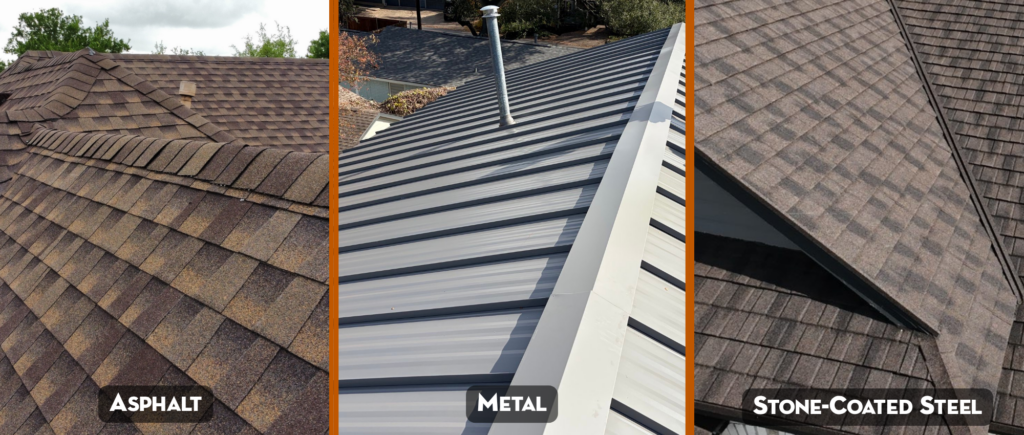
Some of the most common options we see are:
- Asphalt Shingles: The most affordable shingles. Approximately 75% of them are common in many homes and provide reliable protection at a lower cost.
- Metal Roofing: Metal roofs have a higher upfront cost but typically last much longer than asphalt products.
- Stone-Coated Steel: Offers the durability of a metal roof while maintaining the look of a traditional shingle. It is more expensive than asphalt but can last significantly longer.
Each material has its own advantages, lifespan, and price range.
Ever wondered what the most common types of roofs are? Here’s a quick read over the 5 most common types of roofs!
Does the Steepness (Pitch) of My Roof Increase Labor or Material Costs?
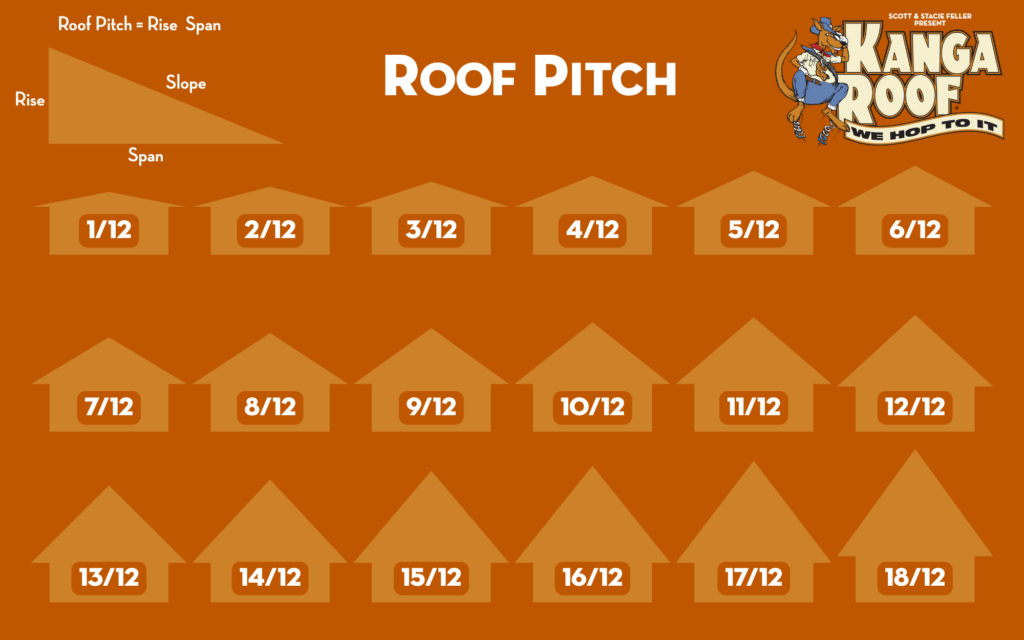
The pitch of your roof refers to how steep it is. Steeper roofs are harder and riskier to work on, which increases labor costs.
A high pitch often requires:
- Additional safety equipment, such as harnesses and cushions
- More Labor Hours
Roofs with a 7/12 or greater pitch are typically considered steep and can increase the labor costs by 10-30%.
How Does the Complexity of My Roof Design (Valleys, Dormers, Angles) Affect Pricing?
Not all roofs are simple rectangles. Many homes have design features that increase the complexity of the roof system. More complex roofs require more labor, more materials cutting, and more detailed water shedding.
- Valleys
- Hips
- Dormers
- Skylights
- Chimneys
- Multiple Roof Levels/Stories
- Flashing Details
- Facets/Slopes
How Tear-Off vs Lay-Over Plays a Role in Determining the Total Cost
Sometimes a new roof can be installed over an existing roof, but in many cases the old roof needs to be removed first. And although a lay-over could save money upfront, it comes with several important drawbacks.
Removing the old roof (called a tear-off) increases the cost because it requires:
- Labor to remove the old shingles
- Dumpster and disposal fees
- Inspection of the wood decking underneath
A tear-off typically adds $1,000 to $4,000, depending on the size of the roof.
Are There Any Underlying Deck Repairs that Could Increase the Total Cost?
The roof deck is the wooden surface underneath your shingles.
If this wood is damaged, it must be replaced before the new roof can be installed.
Common issues include:
- Rotten plywood
- Water damage
- Structural deterioration
Decking replacement typically costs $70-$180 per sheet of plywood, depending on materials and labor.
What is Underlayment and a Roofing System, and How Do They Influence The Price and Performance?
A roof is more than just shingles. A complete roofing system includes several important components that protect your home.
Some components include:
- Ice and water shield
- Underlayment
- Flashing
- Ridge Vents
- Starter Strips
Higher-quality components can improve durability and long-term performance but may increase the overall project cost.
How Much Does Labor Cost Impact The Price?
Labor costs differ depending on the region and the demand for skilled roofing crews.
In Austin and Central Texas, several factors influence the cost of labor:
- High construction demand
- Insurance-related storm work
- Skilled labor shortages
Because of these factors, labor is one of the most significant components that determines the final cost of a roof replacement.
Are Permits Required For My Roof Replacement, and are Those Costs Included?
Some cities require permits before a roof replacement can start.
For example, cities such as Georgetown or Jarrell may require permits for roofing projects.
Permits typically cost between $150 and $500, depending on the city and the scope of the work. This cost usually gets baked into the total cost of your project.
How Do Warranties and the Quality of the Contractor Affect the Overall Value and Price of the Roof?
Not all roofing contractors provide the same level of service, experience, or protection.
More reputable contractors often charge more because they include:
- Workmanship Warranties
- Higher-Quality Materials
- Licensed and Insured Crews
- Manufacturer Certifications
While this can increase the upfront cost, it often provides better long-term protection for your home.
The Bottom Line on Roof Pricing
So, how much does a new roof cost in Austin, Texas?
The truth is that there isn’t a single price that applies to every home. The cost of a new roof depends on several factors such as size, materials you choose, pitch, and the condition of the decking underneath the shingles.
While the numbers may vary, understanding these factors can help you make sense of the estimates you receive. Instead of feeling overwhelmed by different quotes, you’ll have a clearer picture of what goes into the cost of your roof and why prices may differ from one project to another.
Replacing a roof is a big investment, and with the right information, you can approach the process with more confidence, ask better questions, and make decisions that protect your home for years to come.
Ready to See What Your Roof Could Cost?
Get an instant, accurate roof estimate in minutes – no calls, no pressure.