What Should You Do If Your Roof Starts Leaking

A leaking roof isn’t just an inconvenience. It’s a warning sign that your home could face serious water damage if not addressed quickly. Leaks compromise more than just appearance. Left untreated, even small roof leaks can lead to rot, mold, weakened structural supports, ruined insulation, and damage to electrical wiring. Timely action is the difference between a minor repair and major renovations. This guide walks you through what to do when your roof starts leaking, from the first drip to permanent repairs.
Signs Your Roof Is Leaking
Some leaks are unmistakable. You might see water dripping from the ceiling, puddles on the floor, or stained drywall. But not all leaks are obvious at first. Here are common indicators:
- Wet or dark spots on ceilings or walls
- Paint or wallpaper that’s peeling or bubbling
- A bulging ceiling that may be holding water
- Mold or mildew smells, even if you can’t see water
- Visible mold growth on interior surfaces
- Cracked, curled or missing shingles visible from the ground
Keep in mind that water can travel along beams and insulation, so the leak may be far from the visible signs. Catching these signs early reduces the risk of serious damage.
Immediate Actions to Take
Stay Safe First
Never ignore potential safety hazards. If water is near electrical sources or light fixtures, shut off power at the breaker to the affected areas. Stay clear of any ceiling that looks swollen or soft, as it could collapse under the weight of pooled water.
Contain the Leak
Use a bucket, bin, or pan to catch dripping water. Surround the area with towels to absorb splashes or overflow. Use a tarp, plastic sheeting, or trash bags to protect nearby furniture and flooring. If water is seeping through multiple locations, set up catch containers at each one.
Relieve Pressure in the Ceiling
If you notice a ceiling bulge forming, carefully puncture it with a screwdriver or utility knife to release the water. Make sure a bucket is positioned underneath. This may seem risky, but it’s safer than waiting for it to collapse unexpectedly.
Document the Damage
Take photos or videos of all visible damage, including water stains, drips, buckling drywall, and affected belongings. Capture a wide shot of each room as well as detailed close-ups. Documentation is key if you file a homeowner’s insurance claim.
Protect and Move Valuables
Quickly remove rugs, electronics, upholstered furniture, and sentimental items from the area. Move them to a dry space, and begin drying anything already affected using fans or towels. If items like carpeting or fabric furniture are soaked, avoid letting moisture sit for more than 24 to 48 hours.
Locate the Leak (If You Can Do So Safely)
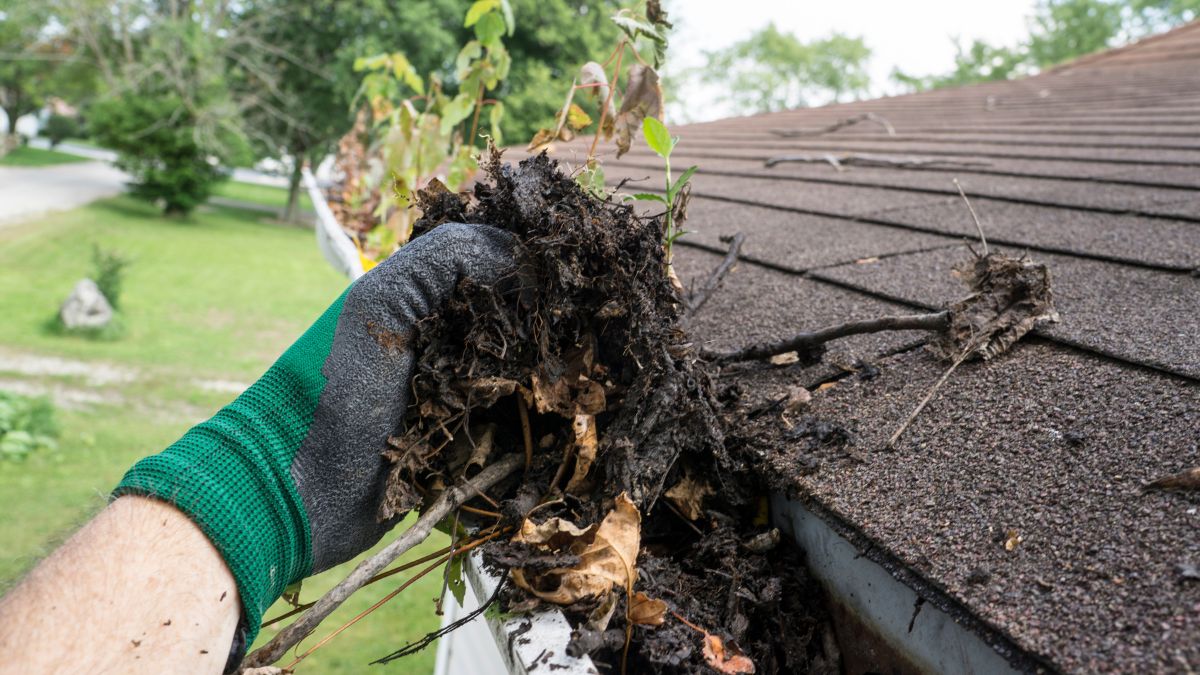
Try to identify where the water is coming from. If accessible, enter the attic with a flashlight and check for signs like wet rafters, active drips, or darkened insulation. Outside the home, inspect from the ground for missing shingles, lifted flashing, or clogged gutters. Never climb the roof yourself. Leave that to trained professionals.
Leaks commonly originate from:
- Damaged or missing shingles
- Failed flashing around chimneys, vents, or skylights
- Cracked sealant or caulk
- Damaged chimney siding and trim
Short-Term Fixes You Can Try
If you need to stabilize things while waiting for a professional:
- Cover the leak area with a plastic tarp securely weighted or tied down. This can limit further water intrusion.
- In the attic, use roofing tape or temporary sealant to reduce water entry at the roof deck.
- Run fans or dehumidifiers near affected spaces to accelerate drying and limit mold growth.
Keep in mind that these are stopgap measures. They won’t prevent future water damage or address underlying problems.
Why It’s Risky to Delay Repairs
Ignoring a roof leak can result in:
- Rotted framing, woodwork, or decking
- Water intrusion behind walls and into electrical systems
- Insulation damage that reduces energy efficiency
- Mold development, which can be dangerous to your health
- Escalating repair costs and insurance complications
Some homeowners delay because the leak appears small or temporary. But even a minor breach in your roofing system can become a gateway for widespread damage over time.
When to Call a Professional Roofing Company
You should call a roofing expert when:
- The leak source isn’t obvious
- Water has entered multiple rooms or spread behind walls
- You suspect damage to your shingles, flashing, or roof deck
- Your roof is older or has experienced prior issues
- You want a long-term solution, not a quick patch
Professional roofers have the tools and experience to conduct a full inspection, identify hidden weaknesses, and restore your roof’s integrity. They’ll also help you determine whether repairs or replacement make more sense based on the condition and age of your roof.
Why Homeowners Trust KangaRoof
At KangaRoof, we understand that dealing with a roof leak can feel overwhelming. That’s why we respond promptly, treat your home with care, and take time to explain your options. Whether you need a minor repair, a full roof replacement, or help working with your insurance provider, we’re ready to step in.
Our team serves Round Rock and surrounding Texas communities with reliable, high-quality roofing services. We’ve been doing that for over 25 years. We don’t just stop the leak. We make sure it doesn’t return. Our work is backed by expert craftsmanship, a commitment to customer satisfaction and the best warranty you can get on the repair.
Take Action Now Before the Damage Spreads
The sooner you act, the more you can protect your home and avoid unnecessary costs. If you’ve seen signs of a leak or simply want peace of mind, reach out to KangaRoof today.