

Table of Contents
- Roof Cost by Size
- Roof Cost by Material
- How Roof Pitch Affects Cost
- How Roof Design & Complexity Impact Pricing
- Tear Off vs. Layover: How It Affects Roof Cost
- How Decking Repairs Can Increase Roof Cost
- What Is a Roofing System (and How It Affects Cost)?
- How Labor Costs Impact Roof Pricing
- Roof Permits: Costs & Requirements
- How Warranties & Contractor Quality Affect Cost
- Cost Breakdown
If you’re researching the cost of a new roof in Round Rock or Austin, you’re asking the right question, and you deserve a straight answer.
The short answer:
Most new roofs in the Austin area cost between $8,000 and $30,000+, with most homeowners paying $11,000 to $20,000 depending on the size of the home, materials, and complexity of your roof.
At KangaRoof, We’ve reviewed thousands of roof estimates in Central Texas, and the pricing differences between similar homes can be thousands of dollars.
No two roof quotes are ever the same, even for homes that look nearly identical.
That’s because pricing isn’t just about square footage. It’s influenced by factors like roof pitch, materials, underlying damage, labor quality, and how thorough the estimate actually is.
In this guide, we’re going to walk you through real numbers, what drives those costs, and what most homeowners don’t realize until it’s too late — so you can make a confident, informed decision.
How Does the Size of My Roof Affect the Total Cost of a New Roof?
The size of your roof is one of the biggest factors in determining the total cost of a new roof. In most cases, roofing is priced by the square foot, so larger roofs require more materials, labor, and time, leading to higher overall costs.
Most roofing projects in Central Texas fall between $4.75 and $5.25 per square foot, depending on materials, labor, and roof complexity.
Example: Roof Cost Based on Size
To show how roof size impacts cost, here’s a real-world example based on a 3,000 square-foot home in the Austin area:
Home size: 3,000 sq ft
Estimated roof size: 3,300–3,600 sq ft (accounts for pitch, valleys, and overhangs)
Average cost per square foot: $4.75–$5.25
Estimated total cost based on roof size:
Low end: 3,300 sq ft × $4.75 = $15,675
High end: 3,600 sq ft × $5.25 = $18,900
As you can see, even small increases in roof size can significantly impact the total cost of your roof replacement.
Important: Your roof is usually 10–20% larger than your home’s square footage due to slope and design. This is why two homes with the same living space can have very different roofing costs.
|
Home Size |
Estimated Roof Size |
Cost Range |
|---|---|---|
|
1,500 sq ft |
1,650-1,800 sq ft |
$7,800 – $9,450 |
|
2,000 sq ft |
2,200-2,400 sq ft |
$10,450 – $12,600 |
|
3,000 sq ft |
3,300-3,600 sq ft |
$15,675 – $18,900 |
|
3,500 sq ft |
3,850-4,200 sq ft |
$18,287 – $22,000+ |
How Does the Roofing Material I Choose Impact the Price?
There is a wide variety of different roofing materials out there, and the materials you choose can have a major impact on the overall price of your new roof.
Some of the most common options we see are:
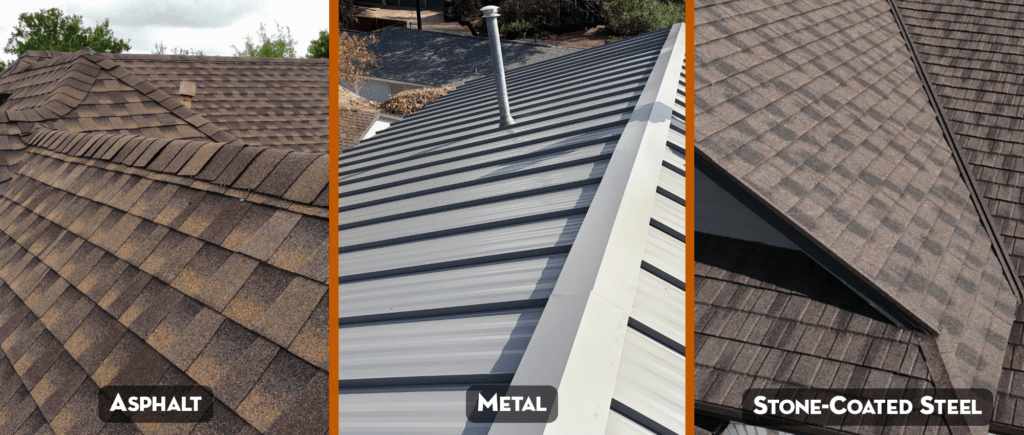
- Asphalt Shingles: The most affordable shingles. Approximately 75% of them are common on many homes and provide reliable protection at a lower cost.
- Metal Roofing: Metal roofs have a higher upfront cost but typically last much longer than asphalt products.
- Stone-Coated Steel: Offers the durability of a metal roof while maintaining the look of a traditional shingle. It is more expensive than asphalt but can last significantly longer.
- Tile: Tile roofs are very common in Central Texas, especially on higher-end homes. They offer excellent durability and heat resistance, making them well-suited for the Texas climate. However, they are one of the more expensive options and often require additional structural support due to their weight.
|
Material |
Average Cost per Sq Ft |
Average Lifespan in Texas |
|---|---|---|
|
Asphalt Shingles |
$4.75 – $5.25 |
15 – 20 Years |
|
Metal Roofing |
$8.00 – $12.00+ |
40 – 60 Years |
|
Stone-Coated Steel |
$10.00 – $14.00+ |
40 – 60 Years |
|
Tile |
$12.00 – $20.00+ |
50 – 80+ Years |
Upgrading materials can significantly increase your total roof replacement cost—but it can also extend the life of your roof and reduce long-term maintenance.
Not sure which roofing material is right for your home? Check out our guide to the most common roof types to compare options in more detail.
Does the Steepness (Pitch) of My Roof Increase Labor or Material Costs?
Yes, roof pitch (how steep your roof is) can significantly increase the labor cost of a new roof. While materials typically remain the same, steeper roofs are more dangerous and time-consuming to work on, thereby increasing installation costs.
After roof size and material selection, pitch is one of the most important factors that affect your total roof replacement cost.
What Is Considered a Steep Roof?
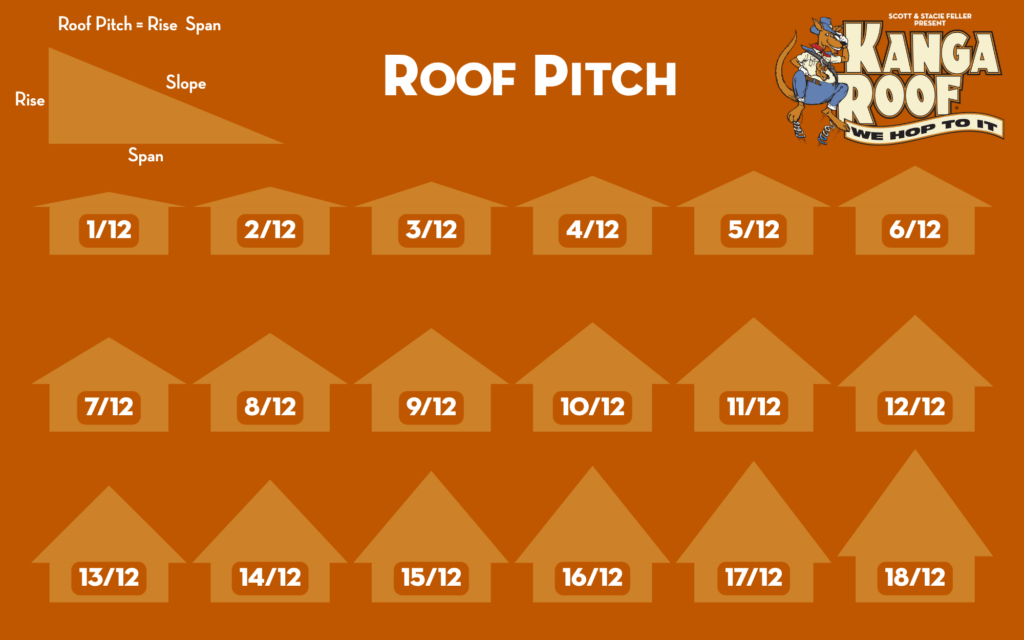
Roof pitch is measured as a ratio (rise over run). In most cases:
- Low slope: 3/12 to 5/12
- Standard Pitch: 6/12
- Steep Roofs: 7/12 and above
Homes with a pitch of 7/12 or greater are typically considered steep and require additional safety measures during installation.
How Roof Pitch Affects Labor Costs
Steeper roofs are more complex and hazardous to work on, which increases both labor time and safety requirements.
- Additional safety equipment (harnesses, roof jacks, cushions)
- Slower installation times due to limited mobility
- Increased risk, requiring more experienced crews
Estimated labor increase for steep roofs:
- Moderate pitch (6/12): baseline pricing
- Steep pitch (7/12–9/12): +10–20% labor cost
- Very steep (10/12+): +20–30% labor cost
Example: On a $16,000 roof replacement, a steep pitch could increase labor costs by $1,600 to $4,800, depending on the complexity.
Important: While pitch mainly affects labor, it can also slightly increase material waste from cuts and more complex installations.
How Does the Complexity of My Roof Design (Valleys, Dormers, Angles) Affect Pricing?
Roof complexity can significantly increase the cost of a new roof in Texas. Homes with more angles, features, and design elements require additional labor, more material cutting, and more detailed waterproofing, all of which raise the total price.
After roof size, materials, and pitch, roof design complexity is another key factor that can impact your final roof replacement cost.
What Makes a Roof More Complex?
Not all roofs are simple rectangles. Many homes include architectural features that require extra time and precision during installation.
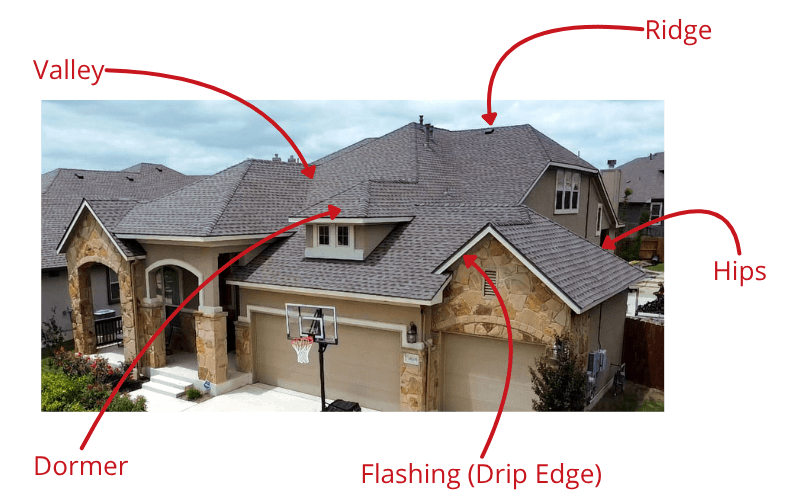
- Valleys: Where two roof slopes meet, requiring careful waterproofing
- Hips: Sloped edges that increase material cutting and labor
- Dormers: Structures that extend from the roof, adding complexity
- Skylights: Require custom flashing and sealing
- Chimneys: Need detailed flashing to prevent leaks
- Multiple Roof Levels/Stories: Increase labor difficulty and time
- Flashing Details: Critical areas that require precision installation
- Facets/Slopes: Increase waste and installation time
How Roof Complexity Affects Cost
More complex roofs require additional labor, more precise installation, and often result in higher material waste.
- Simple roof (few features): baseline pricing
- Moderate complexity: +10–20% total cost
- High complexity (multiple features): +20–40% total cost
Example: On a $16,000 roof replacement, a highly complex design could increase the total cost by $3,200 to $6,400, depending on the number of features and difficulty of installation.
Important: Roof complexity not only increases labor costs but can also lead to greater material waste from cuts and adjustments around features like valleys and dormers.
How Tear-Off vs Lay-Over Plays a Role in Determining the Total Cost
Choosing between a full roof tear-off and a layover can significantly impact the total cost of your new roof. While a layover may save money upfront, a tear-off is often recommended for long-term performance and durability.
In most cases, removing the existing roof (called a tear-off) increases the total cost but allows for a more thorough installation.
Tear-Off vs. Layover: What’s the Difference?
- Tear-Off: Completely removing the existing shingles before installing a new roof
- Layover: Installing new shingles directly over the existing roof
How a Tear-Off Increases Roof Cost
A tear-off adds to the overall cost because it requires additional labor, disposal, and preparation work.
- Labor to remove and dispose of old roofing materials
- Dumpster and disposal fees
- Full inspection of the wood decking underneath
- Opportunity to repair hidden damage before installation
Typical tear-off cost in Austin:
- $1,000–$2,000 for smaller or simpler roofs
- $2,000–$4,000+ for larger or more complex roofs
Example: On a $15,000 roof replacement, a full tear-off could increase the total cost to $16,000–$19,000 depending on the size and condition of the existing roof.
Is a Layover a Good Way to Save Money?
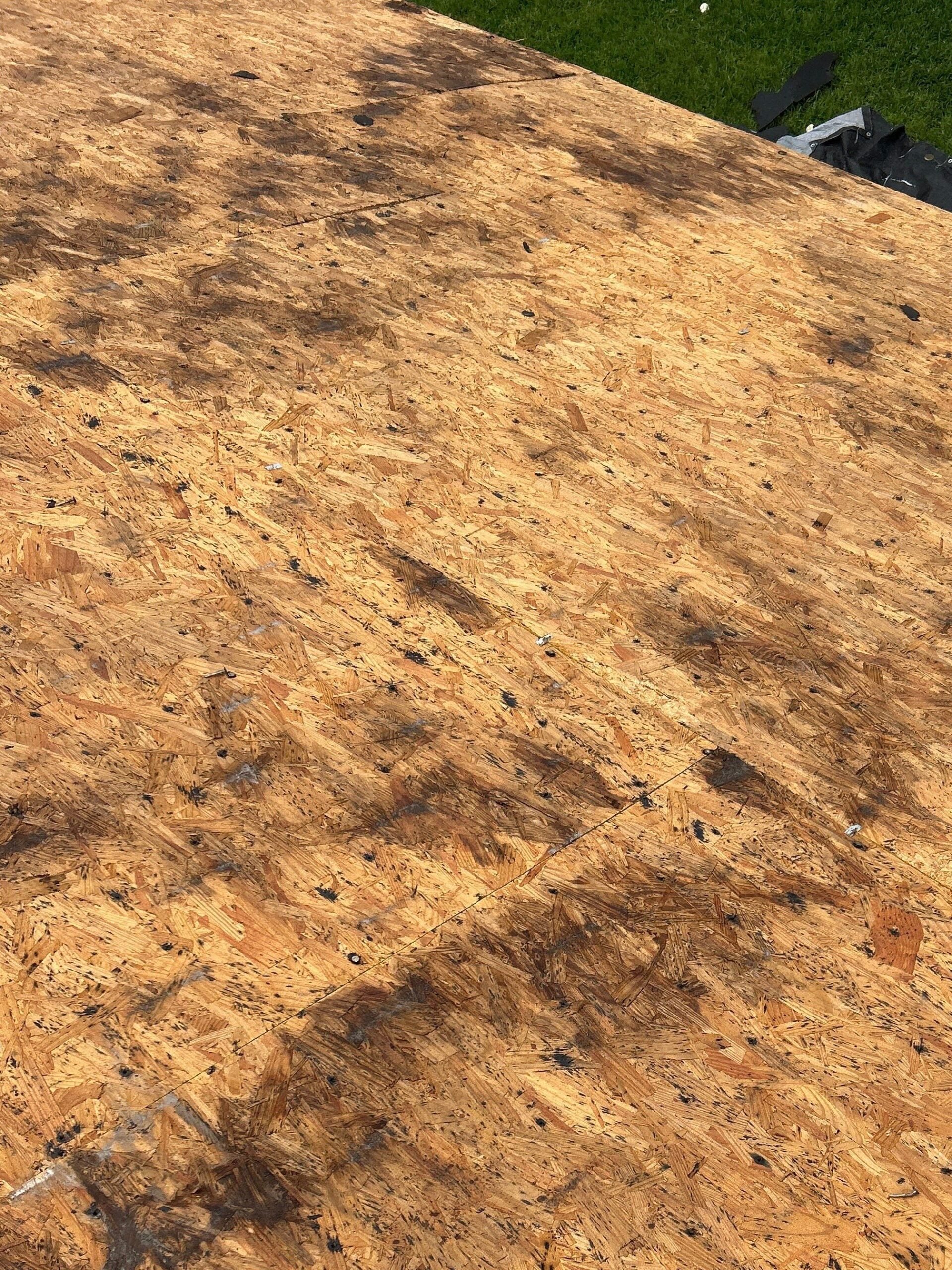
While a layover can reduce upfront costs, it comes with several important drawbacks:
- Does not allow inspection of the underlying decking
- Can trap heat and moisture, reducing roof lifespan
- May void manufacturer warranties
- Often leads to higher long-term costs due to future repairs
*Rotted decking is one of the potential risks of not tearing off the previous roof.
Important: Most professional roofing contractors in Austin recommend a tear-off for long-term performance, even though it costs more upfront.
Are There Any Underlying Deck Repairs that Could Increase the Total Cost?
Yes, damaged roof decking can increase the total cost of your new roof. Before new shingles can be installed, the underlying wood (roof deck) must be in good condition to properly support the roofing system.
If the decking is compromised, it will need to be repaired or replaced, which adds to both material and labor costs.
What Is Roof Decking?
The roof deck is the wooden surface underneath your shingles that acts as the foundation of your entire roofing system.
Common Decking Issues
- Rotten or soft plywood caused by long-term moisture exposure
- Water damage from leaks or storm damage
- Structural deterioration due to age or poor ventilation
How Deck Repairs Affect Roof Cost
Decking replacement is typically priced per sheet of plywood and can vary depending on the extent of the damage.
- Cost per sheet: $70–$180 (materials + labor)
- Minor repairs: 1–5 sheets replaced ($70–$900)
- Moderate damage: 5–15 sheets ($350–$2,700)
- Severe damage: 15+ sheets ($1,000–$5,000+)
Example: If 10 sheets of damaged decking need to be replaced at $120 per sheet, that adds approximately $1,200 to the total cost of your roof replacement.
Important: Deck damage is often not visible until the old roof is removed, which is why many homeowners encounter this as an unexpected cost during a roof replacement.
What is Underlayment and a Roofing System, and How Do They Influence The Price and Performance?
A new roof is more than just shingles—it’s a complete roofing system made up of multiple components that work together to protect your home. The quality of these components can impact both the total cost of your roof and how well it performs over time in Austin’s heat and storms.
Upgrading roofing system components can increase your upfront cost, but it often improves durability, energy efficiency, and long-term protection.
What Is Included in a Roofing System?
- Ice and water shield: A waterproof barrier used in vulnerable areas like valleys and edges
- Underlayment: A protective layer between your shingles and roof deck that adds moisture protection
- Flashing: Metal pieces installed around chimneys, vents, and valleys to prevent leaks
- Ridge Vents: Help ventilate your attic and regulate temperature
- Starter Strips: Provide a secure base for the first row of shingles
For more details on what a roofing system is, check out our “What Makes Up A Roofing System” blog!
How Roofing System Components Affect Cost
The type and quality of these components can change your total roof cost, especially when upgrading from standard to premium materials.
- Standard system: baseline pricing (included in most estimates)
- Upgraded underlayment or synthetic materials: +$500–$1,500
- Full ice and water barrier coverage: +$1,000–$3,000+
- Enhanced ventilation systems: +$500–$2,000
Example: On a $15,000 roof replacement, upgrading to a higher-performance roofing system could increase the total cost to $16,000–$19,000 depending on the materials selected.
Why This Matters in Texas
In Central Texas, roofing system components play a critical role due to extreme heat, UV exposure, and severe storms. Higher-quality underlayment and ventilation can help extend the life of your roof and prevent costly repairs down the line.
Important: While these upgrades increase upfront cost, they often improve long-term performance and reduce maintenance issues over time.
How Much Does Labor Impact the Cost of a New Roof in Austin?
Labor is one of the largest factors affecting the total cost of a new roof, often accounting for 40% to 60% of the project cost.
While materials and roof size determine the base price, labor costs can vary depending on local market conditions and the complexity of your roof.
What Influences Roofing Labor Costs in Austin?
In Central Texas, several factors can drive labor costs higher:
- High construction demand: Ongoing growth in the Austin area increases demand for roofing crews
- Storm-related insurance work: Hail and storm damage can create surges in demand
- Skilled labor shortages: Experienced roofing crews are limited, which drives up pricing
How Labor Affects Total Roof Cost
Because labor makes up such a large portion of the project, even small increases can significantly impact your total cost.
- Typical labor portion: 40%–60% of total roof cost
- Higher-demand periods (after storms): +10–20% labor increase
- Complex roofs (steep or detailed): additional labor premiums
Example: On a $16,000 roof replacement, labor may account for $6,400 to $9,600 of the total cost. If demand increases after a major storm, that cost could rise by $1,000–$2,000 or more.
Important: Labor costs often fluctuate based on market conditions, which is why roof pricing in Austin can vary depending on the time of year and recent weather events.
Are Permits Required For My Roof Replacement, and are Those Costs Included?
Many cities in the Austin area require permits for roof replacements, and these costs are typically included in your total project price.
Permit requirements vary depending on your location, but most municipalities in Central Texas require approval before roofing work can begin.
Do You Need a Permit for a New Roof?
In the Austin area, permit requirements can vary by city. For example:
- Austin: Permits are typically required for roof replacements
- Georgetown: Permits are often required depending on the scope of work
- Jarrell and surrounding areas: Requirements may vary by jurisdiction
Your roofing contractor will usually handle the permitting process on your behalf.
How Much Do Roofing Permits Cost?
Permit costs in Central Texas are relatively small compared to the overall cost of a roof replacement but still factor into your final price.
- Typical permit cost: $150–$500
- Larger or more complex projects: May be on the higher end of that range
Example: On a $15,000 roof replacement, permit costs may add $150 to $500 to the total project cost.
Important: Most roofing companies in Austin include permit costs in their estimates, so you may not see it listed as a separate line item.
How Do Warranties and Contractor Quality Affect the Cost and Value of a New Roof?
The quality of your roofing contractor can significantly impact both the price and long-term value of your new roof in Austin, Texas. While higher-quality contractors may charge more upfront, they often provide better materials, stronger warranties, and more reliable installation.
In many cases, choosing a lower-cost contractor can lead to higher long-term expenses due to repairs, premature failure, or warranty issues.
Because poor installation can void warranties and reduce your roof’s lifespan, it’s critical to understand the key factors in hiring a reliable roofing contractor.
What Higher-Quality Roofing Contractors Typically Include
More reputable contractors often charge more because they offer additional protections and higher standards of work:
- Workmanship warranties: Coverage for installation quality (often 5–10+ years)
- Higher-quality materials: Better-performing shingles and system components
- Licensed and insured crews: Protects homeowners from liability
- Manufacturer certifications: Allows access to enhanced warranties and proper installation standards
How Contractor Quality Affects Cost
The difference between a lower-cost contractor and a premium contractor can impact your total project cost.
- Lower-cost contractors: baseline pricing (but may cut corners)
- Mid-range contractors: +5–10% for improved materials and warranties
- Top-tier contractors: +10–20% for premium installation, certifications, and extended warranties
Example: On a $15,000 roof replacement, choosing a higher-quality contractor could increase the upfront cost by $1,500 to $3,000—but may prevent costly repairs or early replacement in the future.
Why This Matters for Long-Term Value
Warranties and installation quality play a major role in how long your roof lasts. Even the best materials can fail if installed incorrectly.
Important: A cheaper roof upfront is not always the most cost-effective option. Investing in a qualified contractor can improve durability, reduce maintenance, and protect your home long-term.
The Bottom Line: How Much Does a New Roof Cost in Austin, Texas?
The average cost of a new roof in Austin, Texas typically ranges from $12,000 to $18,000+, with most homeowners paying between $13,000 and $15,000 depending on the size of the roof, materials used, and overall complexity of the project.
As you’ve seen, there isn’t a one-size-fits-all price. The total cost of your roof replacement depends on several key factors, including:
- Roof size (square footage)
- Materials (asphalt, metal, tile, etc.)
- Roof pitch and design complexity
- Tear-off vs. layover
- Decking condition and potential repairs
- Roofing system components and upgrades
- Labor costs and market demand
- Permits and local requirements
- Contractor quality and warranties
Understanding these factors helps you make sense of roofing estimates and avoid surprises during your project. Instead of feeling overwhelmed by different quotes, you’ll have a clearer picture of what goes into the cost of your roof—and why prices can vary significantly from one home to another.
Replacing your roof is a major investment, and choosing the right contractor and materials can make a big difference in both cost and long-term performance.
Want a more accurate estimate for your home?
No two roofs are exactly the same—which is why getting a personalized estimate is the best way to understand your true cost.
Topics:
