
Do I Need a Roof Repair or Replacement After Storm Damage?
Updated: April 28th, 2026 | Published: April 21st, 2026
5 min read
Key Takeaways
- Small, isolated damage can often be repaired
- Widespread damage usually points to replacement
- Roof age heavily influences what makes sense
- Insurance decisions depend on documented damage, not assumptions
- Repairs fix a section, replacements reset the entire system
- The wrong choice can lead to higher long-term costs
- A professional inspection is the fastest way to get clarity
You walk outside after a storm, and something looks off.
Maybe you see shingles in the yard. Maybe there are dark spots on the roof. Maybe a neighbor already has a contractor knocking on their door.
And as you’re standing there, a few questions start running through your head:
Is this something small that can be repaired?
Or is this serious enough that I need a full roof replacement?
How do I know the difference?
And what happens if I choose wrong?
This is where most homeowners hesitate.
With over 25 years of experience working with Central Texas homeowners, KangaRoof has seen just about every type of roof issue this area has to offer. From minor wind damage to full hail-related replacements, we understand what to look for and what actually matters when making this decision.
Let’s walk through how to tell the difference between a repair and a full replacement after storm damage. You’ll learn what actually matters, what to look for, and how to make a confident decision about your next step.
How do I know if my roof damage can be repaired?
In many cases, storm damage can be repaired if it is limited and isolated.
A repair usually makes sense when:
- Damage is confined to a small area
- The rest of the roof is still in good condition
- There are only a few missing or lifted shingles
- There is no widespread granule loss or structural damage
For example, a few shingles blown off during a windstorm can often be replaced without touching the rest of the roof.
Repairs are also more likely to be effective when:
- The roof is relatively newer
- Matching materials are still available
- There are no underlying issues like leaks or decking damage
The key factor is this: the problem has to be contained.
If the damage is isolated, a repair can restore the roof without unnecessary cost.
When does storm damage mean I need a full roof replacement?
A replacement becomes the better option when the damage is widespread or affects the integrity of the entire system.
This is common in Central Texas after hailstorms.
You may need a replacement if:
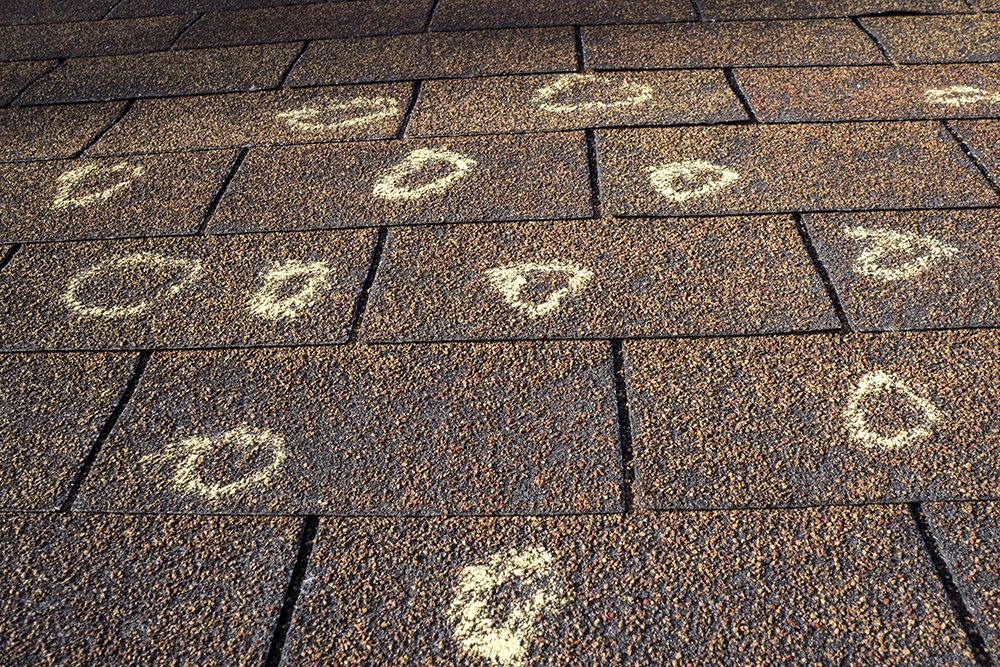
- Hail damage is spread across multiple slopes
- There is significant granule loss, exposing the mat
- Shingles are brittle, cracked, or creased throughout the roof
- There are signs of leaks or water intrusion
- The roof is already near the end of its lifespan
At that point, repairing one section does not solve the problem.
It often leads to:
- Ongoing issues in other areas
- Repeated repair costs
- A shorter remaining lifespan overall
A full replacement addresses the entire system at once and resets the life of your roof.
Does the age of my roof change the decision?
Yes, age plays a major role.
Even if the damage appears minor, an older roof may still need to be replaced.
Here is why:
- Older shingles are more brittle and harder to repair
- New shingles may not seal properly with aged materials
- Color matching becomes difficult or impossible
- Repairs may only extend the life by a short time
As a general guideline:
- Roof is under 10 years old → repair is often viable
- Roof is 10–15 years old → depends on condition and damage
- Roof is 15+ years old → replacement is more likely
In Central Texas, heat and sun exposure can accelerate aging, so even a 12 to 15-year-old roof may already be near the end.
What role does insurance play in repair vs replacement?
After storm damage, insurance often helps guide the decision.
Most policies cover sudden damage from events like hail or wind.
Insurance companies typically look at:
- The extent of the damage
- Whether the damage affects the functional life of the roof
- The cost comparison between repair and replacement
If damage is widespread, insurance is more likely to approve a full replacement.
If damage is limited, they may only approve a repair.
Important note:
Filing a claim does not guarantee full replacement. The scope depends on what is documented during inspection.
What happens if I choose the wrong option for my roof?
This is where homeowners can run into problems.
If you repair when you should have replaced:
- You may face repeated issues in other areas
- Insurance may not cover future damage
- You could end up paying more over time
If you replace when a repair would have worked:
- You may spend more than necessary upfront
The goal is not to choose the cheaper option.
The goal is to choose the right option based on the roof’s condition.
What should I do after a storm?
Start with a professional inspection from a reputable local roofing company.
A thorough inspection should include:
- Checking for visible and hidden damage
- Assessing the condition of shingles and underlayment
- Looking for signs of leaks or soft decking
- Documenting damage for insurance if needed
From there, you should get a clear recommendation:
Or monitoring if no action is needed yet
Repair
Replacement
What Does Each Option Cost in Central Texas?
Cost should never be the only factor, but it helps to know the real ranges before you decide anything.
- Roof repairs: most repairs in Central Texas run between $400 and $2,500, depending on what the storm did and how much of the roof is involved. We break the numbers down in our roof repair cost guide.
- Full replacement: most Austin area homeowners pay between $11,000 and $20,000, with the full range running from about $8,000 to $30,000 or more based on size, pitch, and materials. Here is our complete Austin roof cost guide.
If a storm caused the damage, insurance may change that math entirely. When a claim is approved on a replacement cost policy, your out-of-pocket is often just your deductible. We wrote a full guide on whether insurance will pay for your roof.
Frequently Asked Questions
Is storm damage to a roof covered by insurance?
Usually yes, when the damage comes from a sudden event like hail or wind and the roof was in good condition before the storm. Insurance does not cover normal aging or maintenance issues. The cause of the damage matters more than the age of the roof.
Should I file an insurance claim before getting an inspection?
No. Get the inspection first. It confirms whether there is real storm damage and whether the cost justifies a claim. Filing without documentation can lead to a denied claim that still sits on your record.
How soon after a storm should I have my roof inspected?
Within a couple of weeks is ideal. Damage is easiest to document while it is fresh, and small breaches can turn into leaks with the next rain. Inspections are free, so there is no reason to wait for symptoms.
The Bottom Line
Storm damage does not automatically mean you need a new roof.
But it also does not mean a simple repair will solve the problem.
The right decision comes down to three things:
- How much of the roof is affected
- How old the roof is
- Whether the damage impacts long-term performance
When you understand those factors, the path forward becomes much clearer.
What to Do Next
Our job is to give you a clear answer, not push you toward a bigger project.
If your roof can be repaired, we will let you know.
If it needs to be replaced, we will help you navigate that process with clarity.
No guesswork. No pressure.
If you want to know whether you need a repair or a full replacement, schedule a free roof inspection and get the information you need to move forward with confidence.
Homeowners in Williamson County can have our Round Rock roofing team inspect the roof and document any damage before a claim or quote.
Related reading
Topics: