
Central Texas sits in one of the most active hail corridors in the country, and Round Rock, Georgetown, and Pflugerville take a beating most springs. The hard part for a homeowner is that serious hail damage usually is not visible from the ground. A roof can look completely normal from the driveway and still have hundreds of impact points that will shorten its life by a decade.
Storm just hit? Our storm and hail damage guide covers the full first 48 hours, from ground checks to the insurance call.
Here is what hail damage actually looks like, what does not count, and how to tell the difference before you call anyone.
How big does hail have to be to damage a roof?
As a general rule, hail needs to be around one inch across, roughly a quarter, to bruise standard asphalt shingles. Wind matters as much as size: driven hail hits harder and at an angle, so a storm with smaller stones and 60 mph winds can do more harm than larger hail falling straight down.
Smaller hail still damages softer materials. Pea and dime sized stones routinely dent gutters, downspouts, vents, and air conditioner fins even when the shingles are fine. That matters because those soft metal surfaces are your best ground level evidence.
What hail damage looks like on asphalt shingles
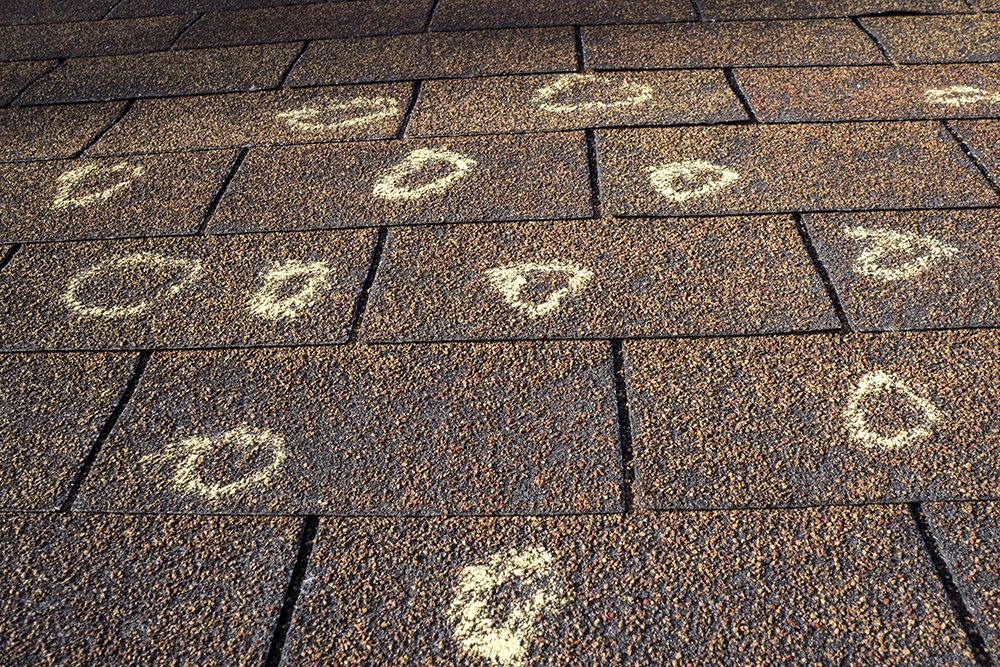
Genuine hail hits leave a specific signature:
- Random pattern, no repetition. Hail falls chaotically. Damage scattered with no consistent spacing is hail. Damage in straight lines or evenly spaced is almost always something else.
- Dark bruises where granules are gone. The impact knocks the protective granules loose and exposes the black asphalt mat underneath. Fresh hits look darker than the surrounding shingle.
- Soft to the touch. Press a suspected hit and it gives slightly, like a bruise on an apple. That softness means the mat fractured underneath, and it is the difference between cosmetic and claimable.
- No clear edges. Hail bruises are round and irregular. Sharp edged gouges are usually mechanical damage from a branch or foot traffic.
Granules collecting in your gutters after a storm point the same direction, though some granule loss is normal on an aging roof.
What hail damage looks like on metal and tile
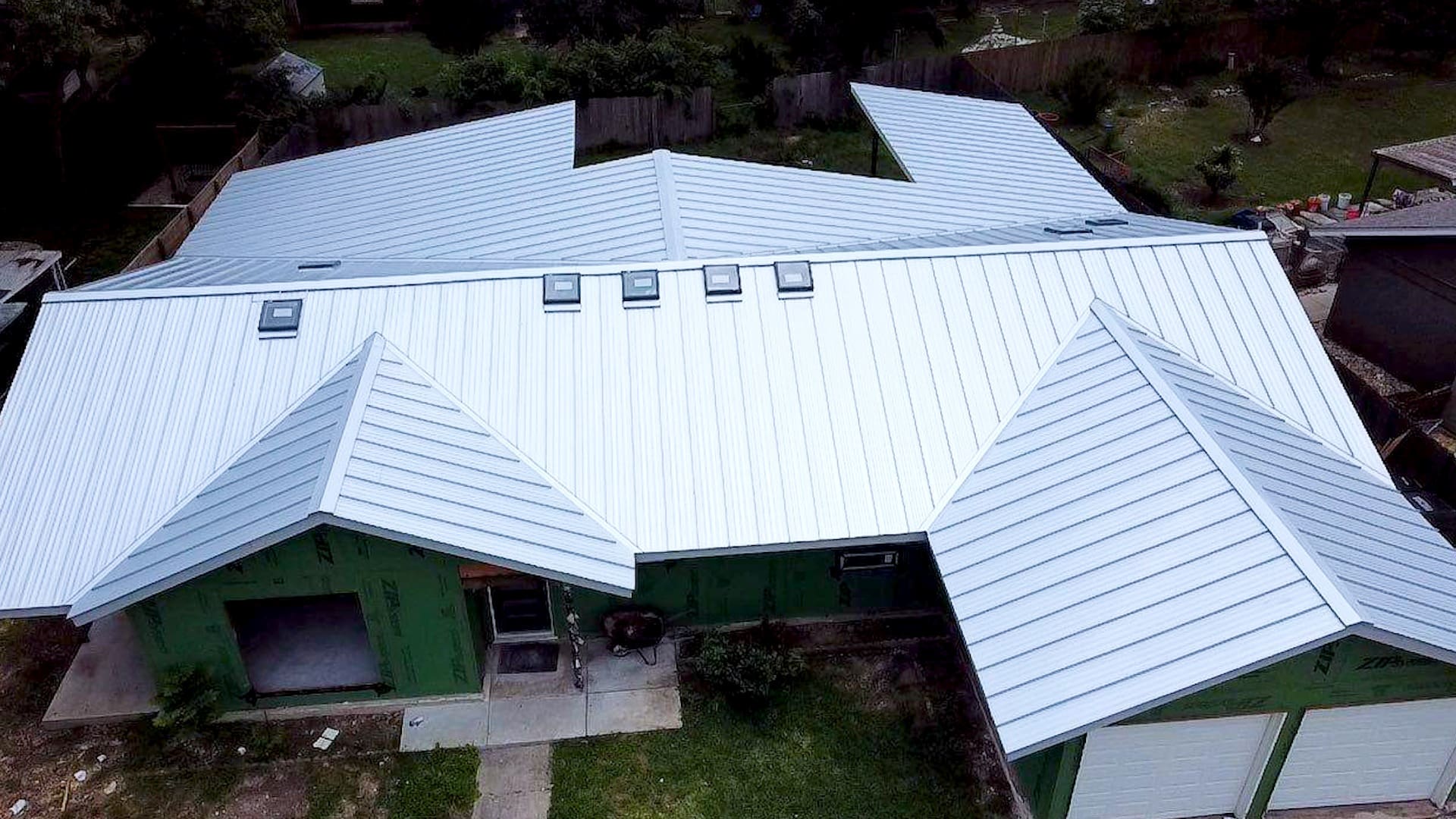
On metal roofing, hail leaves dents. Whether that is a problem depends on the system: dents in a standing seam panel are often cosmetic and do not affect performance, but dents that break the finish can start corrosion, and damaged fasteners or seams are functional problems. Tile cracks or chips instead of bruising, and a cracked tile is a leak waiting for the next rain.
The ground level check anyone can do safely
Stay off the roof. You can learn most of what you need from the ground:
- Look at the gutters and downspouts for dents and dings. Soft aluminum records hail faithfully.
- Check the air conditioner condenser. The fins bend easily. Flattened fins mean hail of real size hit your property.
- Check window screens, the mailbox, the garage door, and any painted metal. Same logic, all easy to see.
- Walk the perimeter and look for granules piling at downspout outlets.
- Look at roof vents, flashing, and pipe boots with binoculars. Dented soft metal up top is strong evidence.
If the soft metal around your house is dented, assume the roof was hit too and get it looked at properly.
What is not hail damage
This is where homeowners get talked into claims that end up denied, so it is worth knowing:
- Blistering looks like hail but comes from trapped moisture or heat. Blisters are usually smaller, more uniform, and clustered rather than scattered.
- Normal granule loss from an aging roof happens evenly across the whole surface rather than at discrete impact points.
- Manufacturing defects show up in repeating patterns, since they follow how the shingle was made.
- Foot traffic and branch scuffs leave scrapes and sharp edged marks, not round bruises.
An adjuster is trained on exactly these distinctions. A contractor telling you a roof is "totaled" without pointing to specific, photographable impact points is not doing you a favor.
What to do in the first few days after a hailstorm
- Write down the date of the storm. Carriers tie claims to specific weather events, and getting the date right matters more than people expect.
- Photograph what you can safely reach: dented gutters, the AC unit, screens, any hail still on the ground next to a coin for scale.
- Get an inspection with photo documentation. You want images of the actual roof surface, not a verbal opinion. Ours are free and you keep the photos whether you file or not.
- Decide about the claim with evidence in hand. If there is no claimable damage, do not file. If there is, our roof insurance claim guide walks through payouts, deductibles, and what the carrier owes.
- Do not sign anything with a door knocker. Storm season brings crews from out of state who sign contracts fast and leave before the depreciation is released. We listed the patterns in four ways homeowners get cheated on hail claims.
Does hail damage always mean a new roof?
No. Isolated damage on a section can often be repaired. Widespread bruising across multiple slopes usually means replacement, because the damage compromises the shingle mat across the whole surface even where it has not started leaking yet. The honest answer depends on impact density per square, which is exactly what an adjuster measures. We walk through the decision in repair or replacement after storm damage.
Frequently asked questions
How long after a hailstorm can I file a claim?
Policies carry deadlines and Texas policies typically require prompt notice after the loss. Do not wait. Beyond the deadline problem, an unaddressed roof keeps letting water in, and accumulated damage from a known problem is much harder to claim.
Can hail damage cause a leak right away?
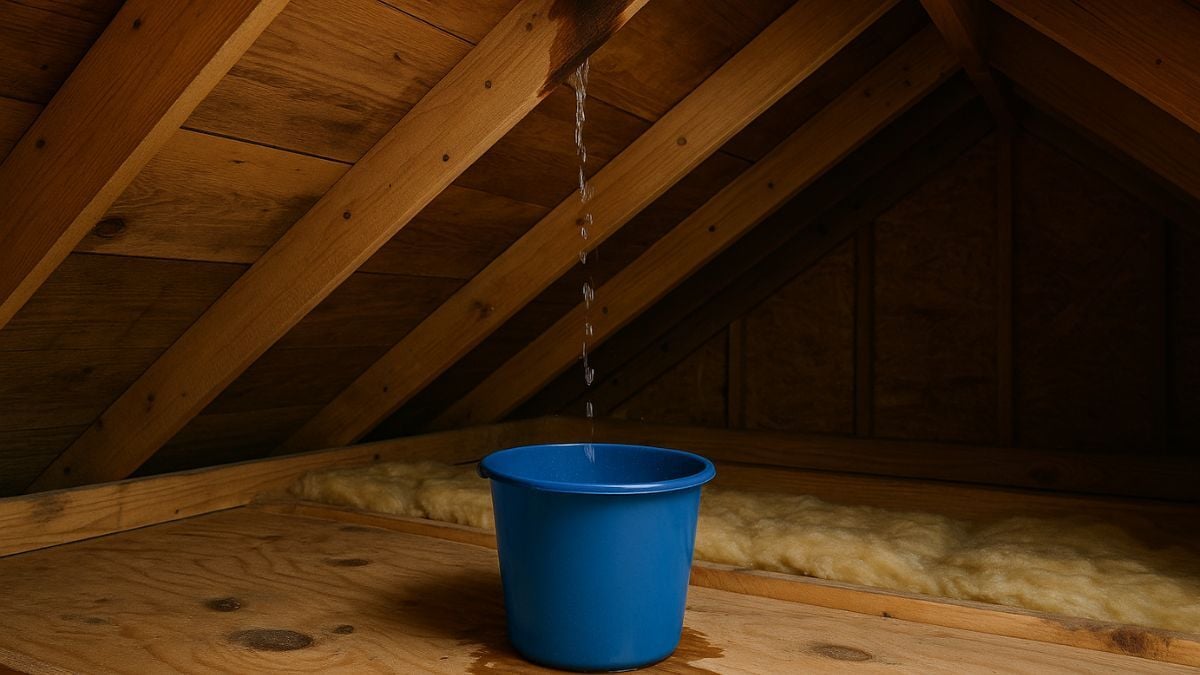
Sometimes, but usually not. That is what makes hail deceptive. The bruise fractures the mat without opening a hole, so the roof keeps shedding water for months or years while the damaged spots age far faster than the rest. Leaks tend to show up long after the storm.
Will my roof look damaged from the ground?
Usually not. Most hail damage is invisible from the driveway, which is why ground level soft metal checks and a documented inspection matter.
Should I get multiple bids on a hail claim?
Insurance pays based on the scope of the loss, not the lowest bid, so shopping the price works differently than on a retail job. Here is how that actually works.
Does filing a hail claim raise my rates?
Rates depend on your carrier and on regional storm activity that has nothing to do with you individually. Ask your agent how weather related claims are treated on your specific policy.
Think you were hit?
We have been inspecting Central Texas roofs after hailstorms for over two decades, and we are headquartered in Round Rock. If a storm came through your neighborhood, request a free inspection and we will document the roof with photos and tell you honestly whether you have damage worth filing on.
Serving Austin, Georgetown, Cedar Park, Pflugerville, Leander, Hutto, and the surrounding communities. Related reading: how to file a hail damage claim, what to know about storm damage, and whether a roofer can pay your deductible.
Related reading
- 10 Serious Warning Signs Your Roof Isn’t Safe
- Storm Damage: Homeowner’s #1 Fear
- Understanding the Different Types of Roof Damage Homeowners Encounter
- Storm and hail damage repair
- Round Rock roofing company: repair, replacement and hail help
- Class 4 Shingles in Texas: Cost, Insurance Discounts, Value
- Hail Damage Roof Insurance Claims in Texas: Step-by-Step
Topics: