
Metal Roof Versus Shingles: Pros, Cons, and How to Decide
Updated: November 10th, 2026 | Published: July 25th, 2023
6 min read
Key Takeaways
- Choose shingles for a lower upfront cost, a faster install, and an easy HOA match.
- Choose metal for a longer life, better heat reflection, and fewer leaks after hail, if you plan to stay a long time.
- Consider Class 4 shingles if you want shingles with more hail protection.
- Ask your insurance agent about discounts and cosmetic damage exclusions before you decide.
- Get the decision right with a real number, not a national average.
You're getting ready to replace your roof, and every source you check tells you something different. One says metal is the only roof worth buying in Texas. Another says it's overpriced. Meanwhile, the hail season that probably started this whole process is only a few months away.
KangaRoof has been roofing Central Texas homes since 1992, and we install both metal and asphalt shingle roofs. That means we don't need to push you toward one. We see how both handle Round Rock hail, Austin heat, and Hill Country wind every year.
In this guide, we'll compare metal roofs and shingles on the things that matter here: hail, heat, insurance, lifespan, noise, upkeep, and what drives the cost. By the end, you'll know which one fits your home and your plans.
What Is the Main Difference Between a Metal Roof and Shingles?
The main difference is the trade-off between upfront cost and long-term durability. Asphalt shingles cost less and go on faster. Metal costs more upfront, but it usually lasts longer and needs less frequent replacement.
Asphalt shingles are the most common residential roof in Texas. Architectural (dimensional) shingles are the standard choice today. They come in many colors, work with almost any home style, and nearly every roofer can repair them. Impact-resistant versions are available for homes that see a lot of hail.
Metal roofs for homes are usually painted steel. The two main styles are:
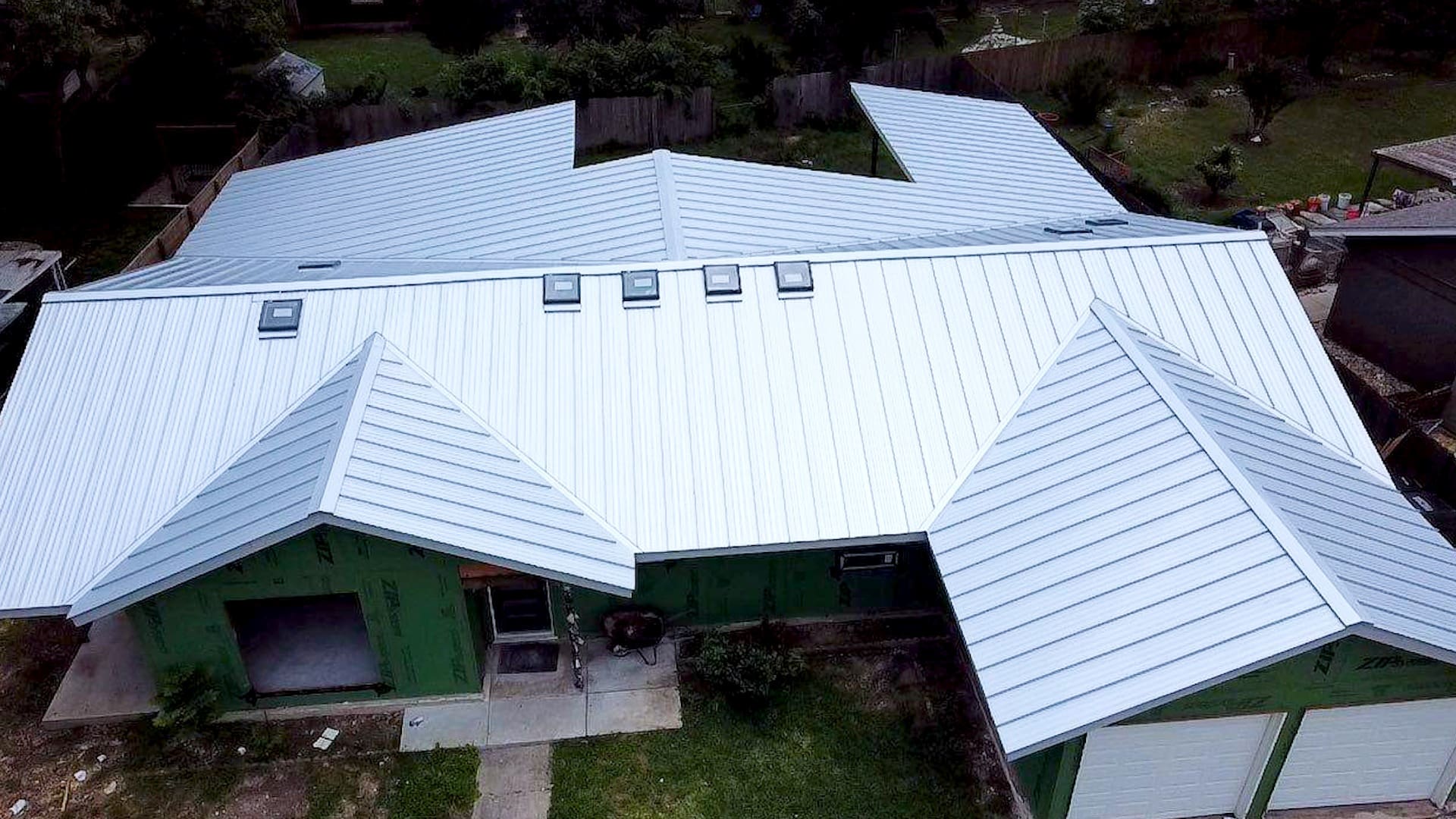
- Standing seam: Panels with raised seams and hidden fasteners. This is the clean, modern look most people picture.
- Exposed fastener panels: The screws go through the face of the panel. This style costs less, but the fasteners need more attention over time.
You can also get stamped metal shingles that look like shingles, wood shake, or tile.
Metal Roofs
Metal roofs come in a variety of materials, including galvanized steel, aluminum, zinc, and copper. Painted steel is the most popular choice for residential projects due to its durability and resistance to corrosion. Styles range from sleek standing seam panels to stamped metal shingles that mimic wood, slate, or tile. Metal roofing is known for its longevity, resilience, and modern appeal.
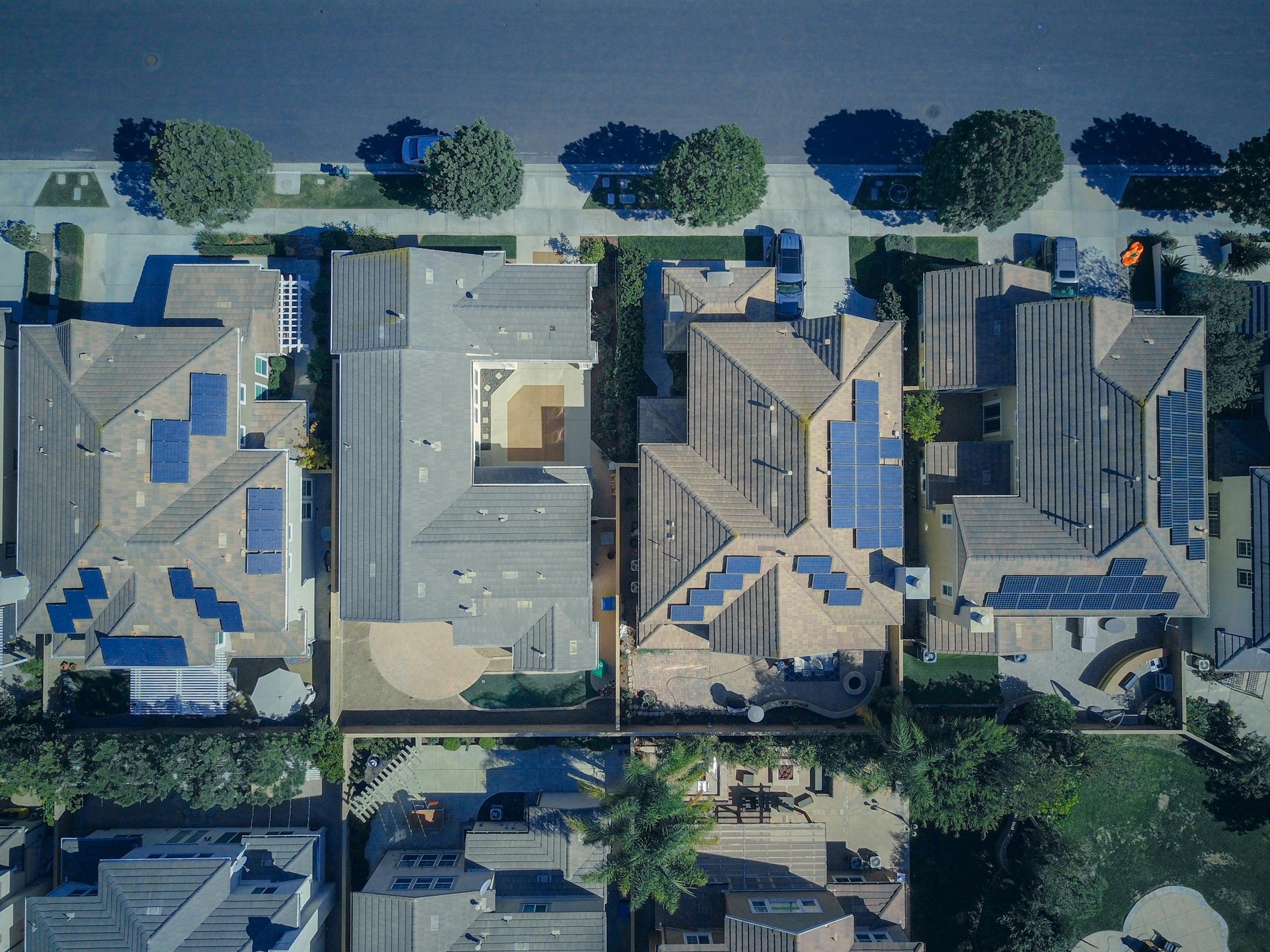
Metal roofs are valued for their durability in extreme weather and ability to reflect solar heat. They are also compatible with solar panel systems, making them a smart choice for energy-conscious homes. While the upfront cost can be high, the long-term savings and minimal maintenance often make metal a worthwhile investment.
Asphalt Shingles
Asphalt shingles are the most common roofing material across the country, and for good reason. They’re affordable, versatile, and relatively easy to install. Available in 3-tab, architectural, and luxury styles, shingles work with nearly any home design. They’re frequently used in neighborhoods with HOA restrictions and where matching existing homes is important.
Architectural shingles are the most popular option due to their dimensional appearance (resemblance to the old wooden shingles) and improved durability. While shingles don’t last as long as metal, they offer solid performance for the price and are easy to repair or replace after storms.
Is a Metal Roof Worth It in Texas?
A metal roof is usually worth it if you plan to stay in your home for a long time, want fewer replacements, and get a lot of sun and hail. If you might sell in a few years, are working with a tighter budget, or have strict HOA rules, shingles are often the better fit.
Ask yourself these questions:
- How long will you live here? The longer you stay, the more time metal has to pay off its higher upfront cost.
- What's your budget today? Shingles let you put a new, solid roof on now for less.
- What does your HOA allow? Some Central Texas neighborhoods limit roof materials or colors. Check before you fall in love with a style.
- How does your insurance company treat metal? More on this below. It can change the math.
Which Handles Hail Better: Metal or Shingles?
Metal usually handles hail better at keeping water out. A metal roof is much less likely to crack or lose material in a hailstorm the way standard shingles can. Metal can dent, though, and dents are where insurance comes in.
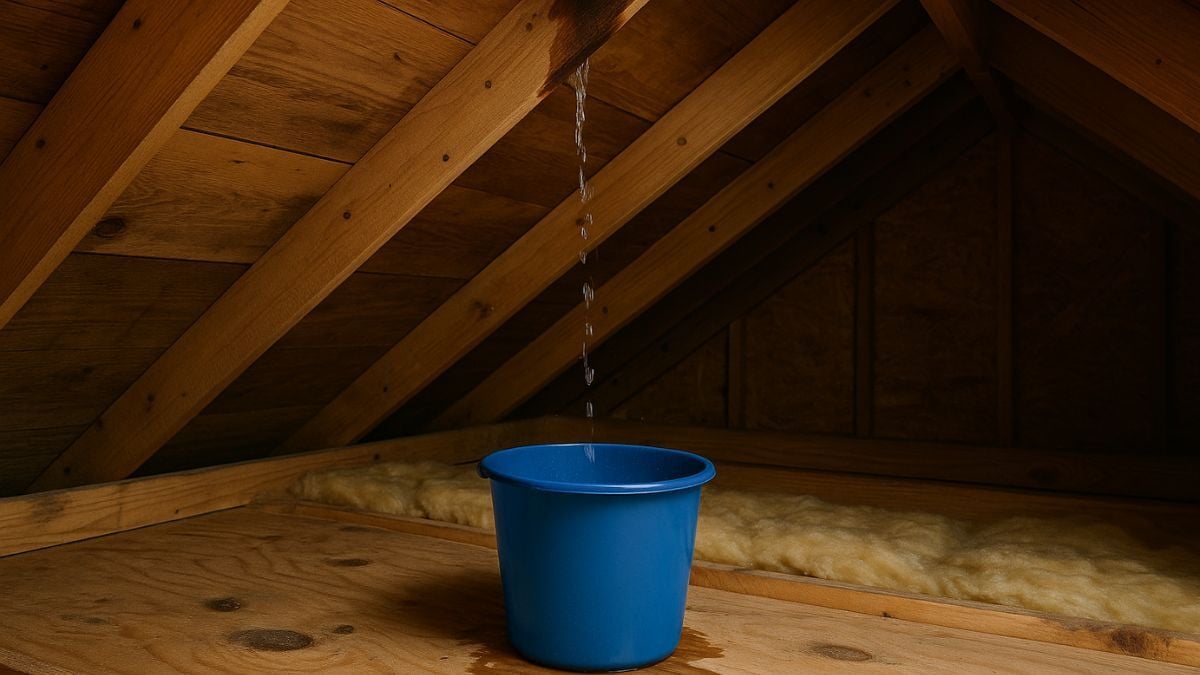
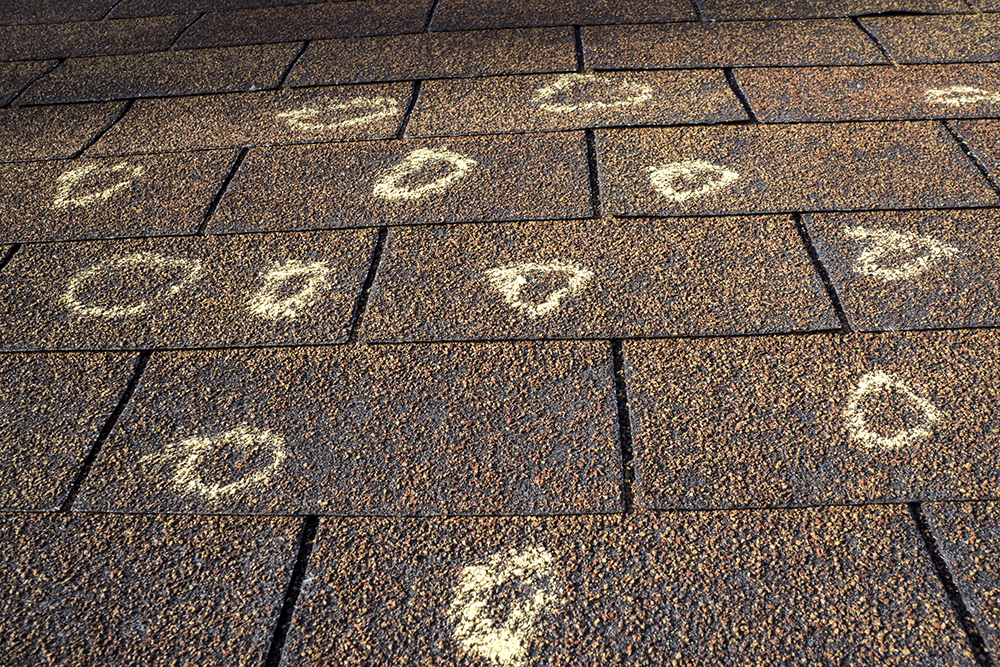
Standard shingles can crack, bruise, or lose granules when hail hits them. That damage can lead to leaks and often means a replacement after a big storm.
Impact-resistant (Class 4) shingles are built to hold up better against hail than standard shingles. They're a popular middle option for homeowners who want the look and cost of shingles with more storm protection. Our guide to Class 4 shingles in Texas explains how they work.
Metal comes in different gauges (thicknesses) and panel types. Those choices affect how well it resists denting. A dented metal roof can still keep water out perfectly well, but it won't look the same.
What Do Insurance Companies Think of Metal Roofs?
Many insurance companies see metal as a durable roof, and some offer a premium discount for it. But many Texas policies treat cosmetic hail dents on metal differently from damage that causes leaks. Ask your agent how your policy handles this before you decide.
On some policies, getting a metal roof discount means accepting a cosmetic damage exclusion or waiver. If that applies to you, a hailstorm that leaves your roof dented but watertight may not be covered. You would either pay to replace it yourself or live with the dents.
Every policy is different, and we can't tell you what your insurer will pay. These questions are worth bringing to your agent:
- Do you offer a discount for metal or impact-resistant roofs?
- Does that discount come with a cosmetic damage exclusion?
- How would a dented but watertight roof be handled after a hailstorm?
If you're already dealing with storm damage, our insurance process page walks through how we help with documentation and meeting the adjuster.
Which Roof Is Better for Texas Heat?
Metal usually does better in Texas heat because it reflects more sunlight than standard asphalt shingles. That can mean a cooler attic and less work for your AC. Light colors and reflective "cool roof" finishes help both materials.
Shingles absorb more heat, and years of strong Texas sun can age them faster. Reflective shingle options exist, but standard dark shingles soak up the most heat.
Your roof material is only part of the story. Attic ventilation has a big effect on how hot your house runs and how long any roof lasts. Our guide on how roof ventilation works explains why.
How Long Does a Metal Roof Last Compared to Shingles?
A well-installed metal roof usually lasts much longer than an asphalt shingle roof, often decades longer. How long each one actually lasts depends on the product, how it's installed, attic ventilation, and how much hail and sun it takes.
In Central Texas, heat and hail are the two biggest reasons a roof wears out early. A shingle roof that has been through several hail seasons may need replacing well before its rated life. That's why a regular roof inspection is worth it for either material.
What Is the Biggest Problem With Metal Roofs?
The biggest drawbacks of metal roofs are the higher upfront cost and the chance of cosmetic hail dents. Repairs also take a crew that knows metal. Exposed fastener panels need extra care, because screws and washers can loosen over time as the metal heats up and cools down.
Other things to know:
- Noise: Rain on metal can be louder. On a home with solid decking, underlayment, and an insulated attic, most of that sound gets muffled.
- Oil canning: Flat metal panels can show a slight wave in certain light. It's cosmetic, and good installation helps reduce it.
- Fewer installers: Not every roofer installs metal, so choose a crew with real metal experience.
Shingles have their own weak spots. They're more likely to need repairs after hail or high wind, and they need replacing more often.
Do Metal Roofs Need Maintenance?
Yes, but less than most homeowners expect. A metal roof should be inspected regularly, especially after big storms. That's when you check fasteners, seams, flashing, and sealants. Shingle roofs need a check after storms too, for missing, cracked, or lifted shingles.
You can spot most warning signs from the ground. Leave ladders and roof work to a pro.
Watch for loose or missing panels or shingles, debris piling up in valleys, and water stains on your ceilings. If you see any of these, schedule a free roof inspection and we'll take a look.
Metal Roof vs Shingles: Side-by-Side Comparison
| Feature | Metal Roof | Asphalt Shingles |
| Upfront Cost | Higher upfront, longer lifespan | Lower upfront, more frequent replacement |
| Lifespan | 40–70 years | 15–30 years |
| Hail | Rarely leaks, but can dent | Standard shingles can crack; Class 4 holds up better |
| Heat | Reflects more heat | Absorbs more heat unless you choose a reflective option |
| Maintenance | Low, but repairs can be more difficult | Easy to repair, more frequent needs |
| Installation | Longer; needs a crew experienced with metal |
Faster; |
| HOA Fit | Check your HOA rules |
Accepted almost everywhere |
| Look | Clean, Modern, Farmhouse |
Traditional, many colors |
How Much Does a Metal Roof Cost Compared to Shingles?
Metal costs more upfront than asphalt shingles on almost every home. The exact difference depends on your roof. We don't publish one-size-fits-all prices, because two houses on the same street can need very different roofs.
These are the factors that drive the cost of either roof:
- Roof size and pitch: Bigger and steeper roofs take more material and labor.
- Material and style: Standing seam, exposed fastener panels, standard shingles, and Class 4 shingles are all priced differently.
- Complexity: Valleys, skylights, chimneys, and dormers add work.
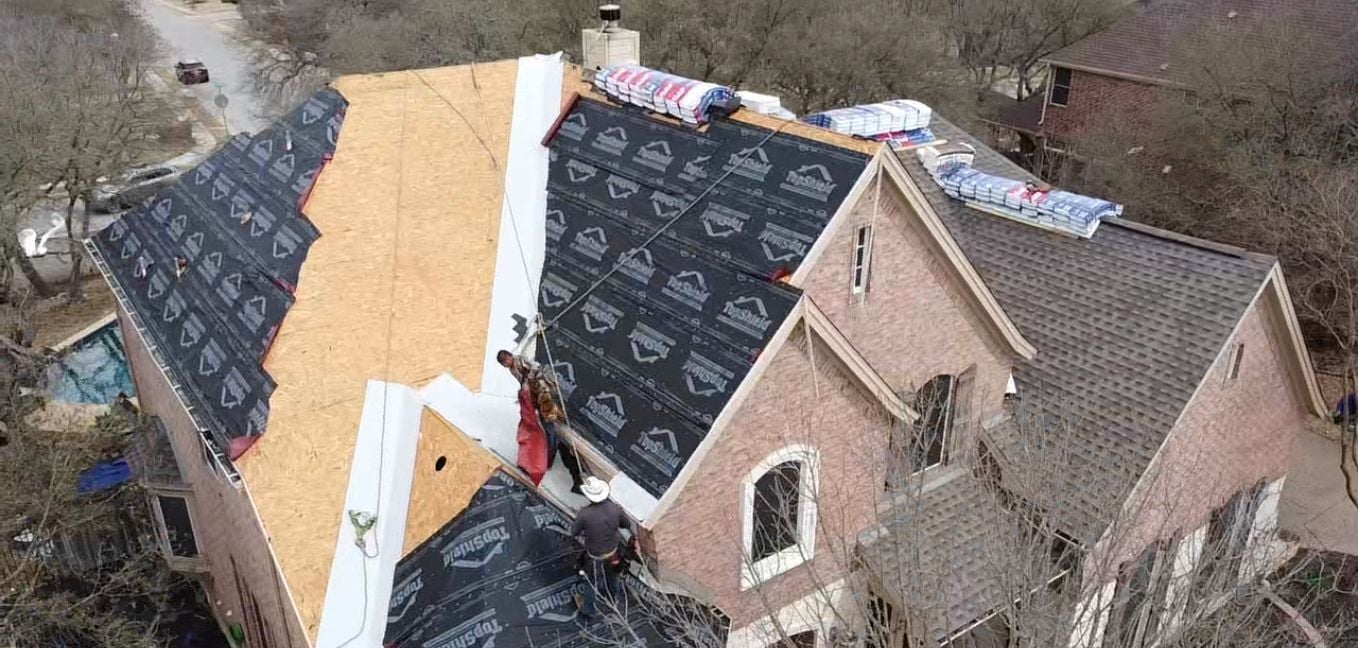
- Tear-off and decking: Removing the old roof and replacing any damaged wood underneath.
- Ventilation and extras: Upgrades like underlayment and ventilation fixes.
For more detail, read how much a new roof costs in Austin. When you're ready for a real number on your home, try our Instant Estimate. If paying for it all at once is the concern, see our financing page.
With KangaRoof, the quote you sign is the price you pay, not an estimate.
Related reading
- Kanga Roof Austin Explains the Benefits of GAF®’s Warranties
- Roof Ventilation in Texas: How It Works and Why It Matters
- Solar Roof Shingles vs Solar Panels: What’s Right for Your Home?
- Roof replacement in Central Texas
- Round Rock roofing company: repair, replacement and hail help
- Metal Roof Cost in Texas (2026): Per Sq Ft and vs Asphalt
Topics: