

Most Round Rock homes have architectural asphalt shingle roofs, and a large share of the houses built here from the 1990s through the 2010s are reaching the end of their expected life. Your roof usually tells you before it fails. Here are seven signs it is time to plan a replacement instead of another repair, and what to do once you spot them.
1. The roof is past its expected age
Age is the single most reliable predictor. Three-tab shingles generally last around 20 years, and architectural shingles around 25, and Central Texas heat can push a roof toward the low end of those ranges. If you are not sure how old yours is, check your closing documents, look for a permit record, or ask a neighbor with a similar build date. A roof in Teravista or Forest Creek installed when the neighborhood went up is very likely in the replacement window now.
2. Shingles are curling or cupping
Look at the roof from the street in the late afternoon when the light is low. Curling means the edges of the shingle turn up. Cupping means the middle sinks and the edges lift, creating a shallow dish. Both mean the shingle has dried out and lost its flexibility, which happens after years of 100-degree summers. Curled shingles no longer seal to each other, so wind can lift them and rain can get underneath. Once curling shows up across a whole slope, spot repairs stop making sense.
3. Granules are piling up in your gutters
The gritty surface on a shingle protects the asphalt underneath from UV. Some granule loss is normal in the first year after installation. Heavy granule loss on an older roof is different: the shingle is wearing through. Clean your gutters and check what comes out. A layer of sand-like grit, or bald patches you can see from a ladder, means the shingles are near the end.
Also watch for moss or algae
Dark streaks are usually algae and are mostly cosmetic. Moss is worse because it holds moisture against the shingle and lifts the edges as it grows. Either one on an aging roof is worth having inspected, especially on shaded north-facing slopes.
4. Shingles go missing after storms
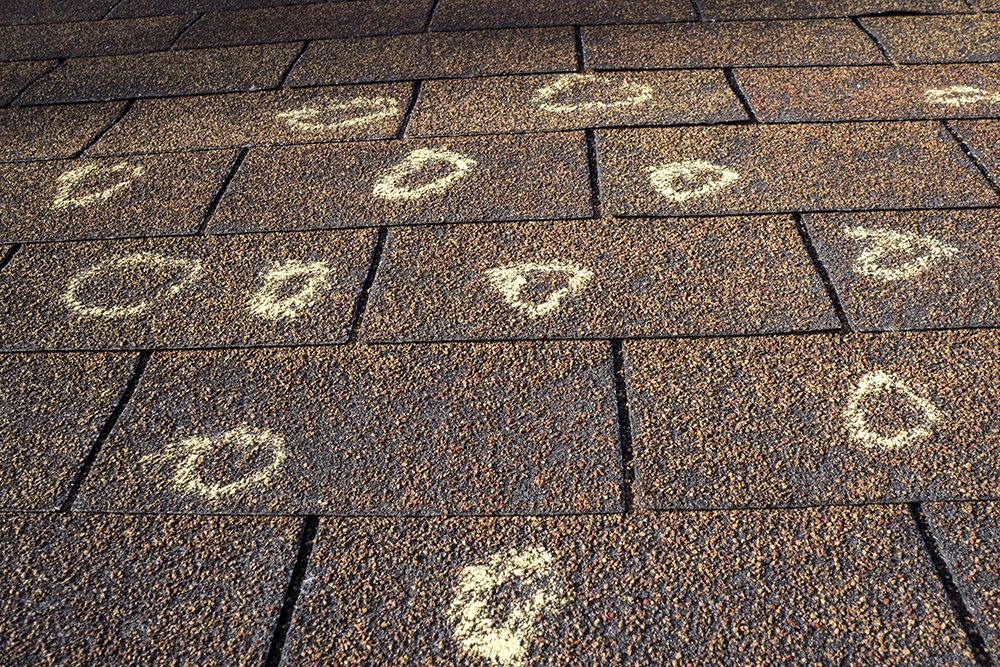
A healthy roof should hold through a normal Central Texas storm. If you find shingles in the yard after wind or hail, the seal strips have failed and the rest of the roof is likely in the same condition. Hail season runs roughly March through June, with fall storms as well, so a roof that sheds shingles in one storm will probably do it again. This is also the point where an insurance claim might apply, so get an inspection before you file. Our guide on 10 serious warning signs your roof is not safe covers the storm-related red flags in more detail.
5. You can see daylight or water stains in the attic
Go into the attic on a bright day with the lights off. Pinpoints of daylight through the decking mean there are openings for water. Then turn the lights on and look for dark stains on the underside of the decking, rusted nail tips, or damp or matted insulation. Stains on ceilings inside the house are the same problem further along. A single stain near a vent or chimney may be a flashing repair. Stains scattered across the attic point to a roof that has stopped keeping water out.
6. The roofline is sagging
Stand across the street and sight down the ridge and along each slope. They should be straight. A dip or wave means the decking or the framing beneath it has been soaked long enough to weaken. Sagging is the one sign on this list that should not wait. It can indicate structural rot, and the repair grows more expensive the longer it goes.
7. You keep paying for repairs
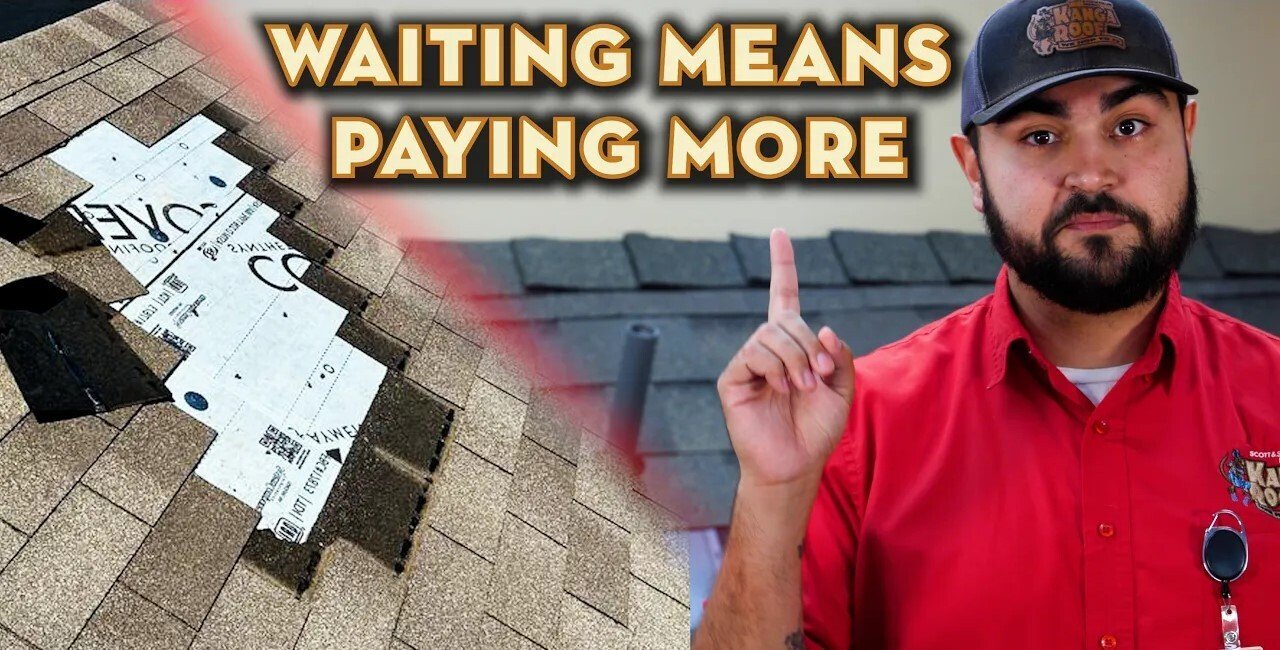
One repair after a hailstorm is normal. A pattern of repairs, a new leak every season, or a different section failing each time is the roof telling you it is done. At some point the repair bills add up to a meaningful share of a replacement without giving you a new roof, a new warranty, or any peace of mind. If you have called a roofer more than a couple of times in the past few years, it is time to price the alternative.
Repair or replace?
One or two of these signs on a roof that is under 15 years old often means a repair. Three or more on a roof past 20 years usually means replacement is the better use of money. A roofer in Round Rock who is honest will tell you which it is and put a price on both. KangaRoof quotes with guaranteed pricing, so the number you get is the number you pay, not an estimate that grows once the crew is on the roof. Our roof replacement page walks through the process and the shingle options.
What a new roof costs in Round Rock
You can get a ballpark in about a minute with our instant roof cost calculator. Per our calculator, asphalt shingle systems start around $350 per square installed, with higher tiers up to around $618 per square. A square is 100 square feet of roof. Metal roofing starts around $1,150 per square. Steep-pitch and two-story homes cost more. Financing is available for homeowners who want to spread the cost out.
What to do next
- Figure out your roof's age from your closing paperwork or permit records.
- Walk the property after the next storm and check the yard, gutters, and attic for the signs above.
- Photograph anything you find, with dates, so you have a record if a claim is ever needed.
- Run the cost calculator so you know the range before anyone quotes you.
- Schedule a free inspection and get a guaranteed price for both repair and replacement, then decide with real numbers.
KangaRoof is a family-owned, GAF Master Elite roofing company based at 1317 Sam Bass Rd in Round Rock, serving Round Rock, Austin, Georgetown, Cedar Park, Leander, Pflugerville, and Hutto. If you would rather have us look than guess, contact us online or call (512) 388-7663 to schedule your free roof inspection.
Related reading
Topics: