
Roofing FAQ: 21 Common Roof Repair and Replacement Questions
Updated: May 5th, 2026 | Published: April 14th, 2026
11 min read

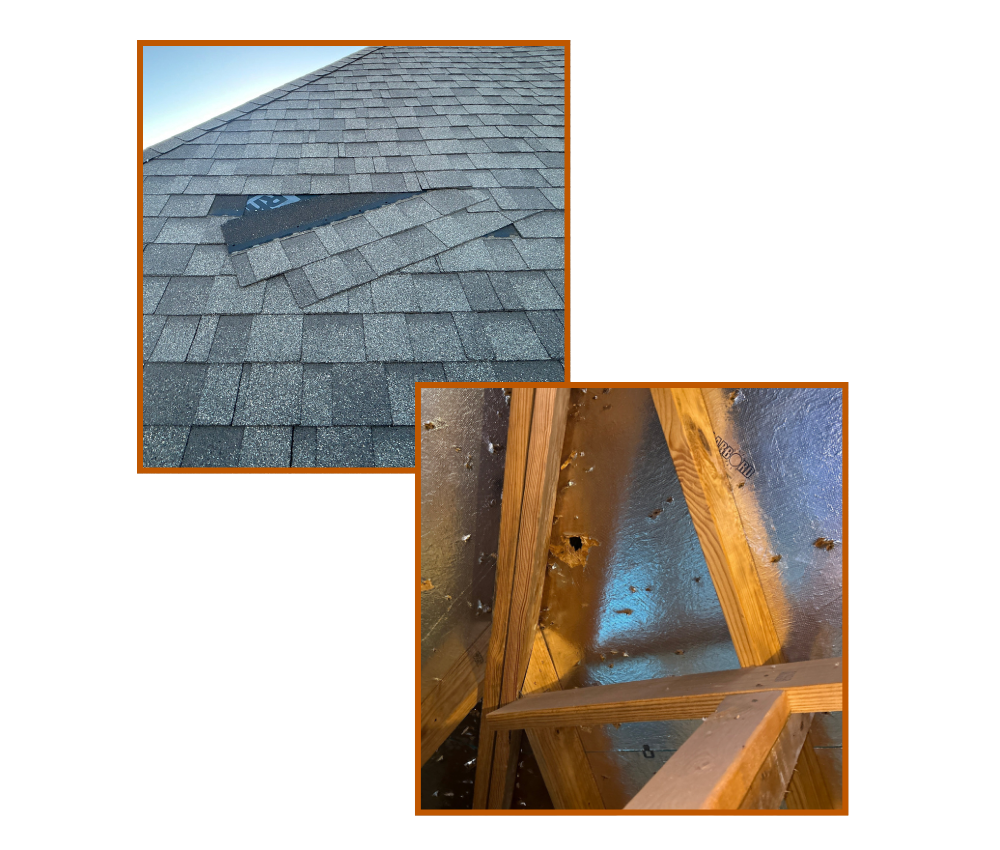
Replacing or repairing a roof is a major investment, and most homeowners go through it only once or twice. It is normal to have a long list of questions before you commit to anything.
KangaRoof has worked with Central Texas homeowners since 1992, so we have heard just about every roofing question there is. This guide gathers the 21 questions we get asked most, from repair versus replacement to cost, insurance, timelines, materials, warranties, and how to pick a roofer in Round Rock. Read it straight through or jump to the section you need. The goal is simple: give you the confidence and clarity you need before you sign anything.
Repair or Replace
1. How Do I Know If I Need a Roof Replacement Instead of a Repair?
This is usually the first question homeowners ask.
In many cases, a repair can solve the problem. A few missing shingles, a damaged flashing detail, or a small, isolated leak can often be fixed without replacing the entire roof.
However, there are situations where a repair only delays a larger issue. Some common signs that replacement may be the better option include:
- The roof is 15 years old or older
- Widespread shingle deterioration
- Multiple leaks in different areas
- Large areas of storm damage
- Granule loss across the roof surface
When these issues appear across large sections of the roof, repairs become a short-term solution rather than a long-term fix.
A professional roof inspection is the best way to determine the right path. During an inspection, a roofing advisor evaluates the entire system, not just the visible damage. This includes checking:
- Shingle or roofing material condition
- Flashing around penetrations and valleys
- Roof ventilation
- Roof decking, viewed from the attic
Sometimes the inspection confirms that a repair is all that is needed. Other times, it shows that replacing the roof will provide better protection and avoid repeated repair costs. The goal should always be the right solution for your situation.
2. Can I Repair My Roof Instead of Replacing It?
Often, yes. If your roof is under about 12 years old and the damage is limited to one area, a repair is usually the right call: a few wind-lifted shingles, a cracked pipe boot, a rusted piece of flashing, or a single leak at a valley. A good repair uses matching shingles, replaces the underlayment in that spot, and reseals every penetration nearby. A repair stops making sense when the same roof needs a patch every season, when the shingles are brittle enough that walking on them causes more damage, or when the decking underneath is soft. Our roof repair page explains how we approach it, and this post covers repair versus replacement after storm damage.
3. How Long Does a Roof Last in Texas?
Shorter than the packaging suggests. An architectural asphalt shingle roof, which is what most Round Rock homes have, typically gives 15 to 20 years here. Summer heat with strings of 100F plus days dries out the asphalt and speeds granule loss, hail bruises the shingle mat, and wind breaks the seal strips. Metal roofing lasts far longer, often 40 years or more. Attic ventilation matters a lot: a roof that cannot shed heat ages from underneath, which is why we check the vents on every inspection. See how roof ventilation works. Many homes in Teravista, Forest Creek, and Behrens Ranch built in the 1990s and 2000s are at or past that window now.
4. How Long Will My New Roof Last?
Roof lifespans depend on the materials used and the quality of the installation. Typical lifespan ranges include:
- Asphalt shingles: about 15 to 20 years
- Metal roofing: about 40 to 70 years
- Stone-coated steel: about 40 to 70 years
Other factors also affect longevity. Climate plays a role: areas with strong sun, heavy storms, or frequent temperature swings shorten the lifespan of roofing materials, and Central Texas has all three.
Ventilation is another important factor. Poor attic ventilation traps heat and moisture, which accelerates shingle deterioration.
Routine inspections also extend the life of your roof. Identifying small issues early often prevents larger problems later.
Roof Cost
5. How Much Does a Roof Replacement Cost?
Roof replacement pricing depends on several key factors, so there is no single price that applies to every home. Per our Instant Roof Cost Calculator, asphalt shingle systems start around $350 to $618 per square installed depending on the shingle tier, and metal roofing starts around $1,150 to $1,470 per square. For a typical 30-square home, that puts an asphalt replacement starting around $10,500 to $18,500 before extras such as decking repairs. Steep-pitch and two-story homes cost more.
For a deeper look at what to expect, read how much a new roof costs in Round Rock or how much a new roof costs in Austin.
These are the five biggest factors that influence cost:
Roof size. Larger roofs require more materials and labor. This is one of the biggest drivers of price.
Roof pitch and complexity. Steeper roofs, or roofs with multiple angles, dormers, and valleys, require more time and safety equipment to install properly.
Material type. Different roofing materials vary significantly in price. Common options include:
- Asphalt shingles: the most common and cost-effective material
- Metal roofing: known for durability and energy efficiency
- Stone-coated steel: a premium material with a long lifespan and the look of traditional roofing styles
Number of existing layers. If a roof already has multiple layers of shingles, the crew must remove everything down to the decking before installing the new system. That means additional labor hours and disposal fees.
Condition of the decking. If sections of roof decking are rotted or structurally damaged, they must be replaced before new roofing materials go on.
Because every roof is different, the most accurate way to determine price is an on-site inspection and a written quote. At KangaRoof that quote is guaranteed pricing: the number you are quoted is the number you pay.
6. How Much Does Roof Repair Cost?
It depends on what is wrong and where. A handful of missing shingles or a new pipe boot is a small job. A leak that has been running for months and rotted the decking below is a bigger one, and any repair on a steep two-story roof costs more than the same fix on a walkable ranch. The honest answer is that no roofer can price a repair over the phone. What you should expect is a free inspection, photos of the problem, and a written price that does not change once the work starts. Read how much roof repair costs in Central Texas for the factors that move the price up or down.
7. What Is a Roofing Square?
A roofing square is 100 square feet of roof surface. Roofers price materials and labor by the square rather than by the square foot, so a 2,000 square foot roof is 20 squares. Your roof is larger than your home's floor plan because pitch adds surface area, and steeper roofs add more. Squares are also how you compare quotes: if one contractor bids 28 squares and another bids 32 for the same house, ask both to show their measurements. Our roof cost calculator works the same way, taking your footprint and pitch and applying per-square pricing to give you a starting price in about a minute.
8. Do Roofing Companies Offer Financing?
Roof replacements are not always planned. Storm damage or a sudden leak can force homeowners to make a decision sooner than expected. Because of this, many roofing companies offer financing options.
Financing lets homeowners move forward with necessary repairs or a replacement without delaying protection for their home. Plans range from short-term options of a few months to longer payment plans that run several years. Terms vary depending on the provider and credit approval, but financing can make a large project manageable.
The most important thing is transparency. Homeowners should understand the terms, payment schedule, and interest rate before choosing a financing plan.
Insurance
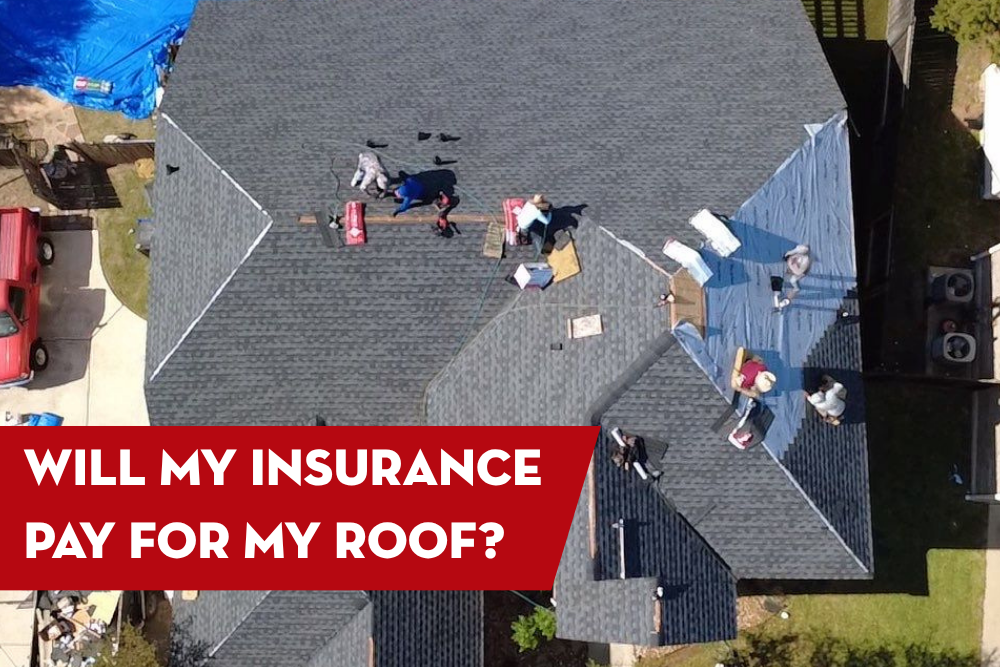
9. Will My Homeowners Insurance Cover It?
Homeowners insurance usually covers roof replacement when the damage is caused by a covered event. Examples of covered events often include:
- Hail storms
- Wind damage
- Fallen tree limbs
- Severe weather events
Insurance typically does not cover normal aging or wear and tear. If shingles have simply reached the end of their lifespan, the replacement is considered normal maintenance rather than an insurance claim.
If you suspect storm damage, a professional inspection can help determine whether filing a claim is worth it. During that inspection, the contractor may:
- Document visible damage
- Photograph affected areas
- Identify storm-related impact points
- Provide documentation that supports the insurance process
The goal is to give homeowners clear information so they can decide whether a claim is worth pursuing. In some situations, filing a claim offsets a large portion of the replacement cost. In others, the damage does not exceed the deductible. KangaRoof documents the damage and works with your adjuster; the homeowner files the claim.
For a deeper dive, read will insurance pay for my roof and our Texas roof insurance claim guide.
10. What Should I Do If My Roof Insurance Claim Is Denied?
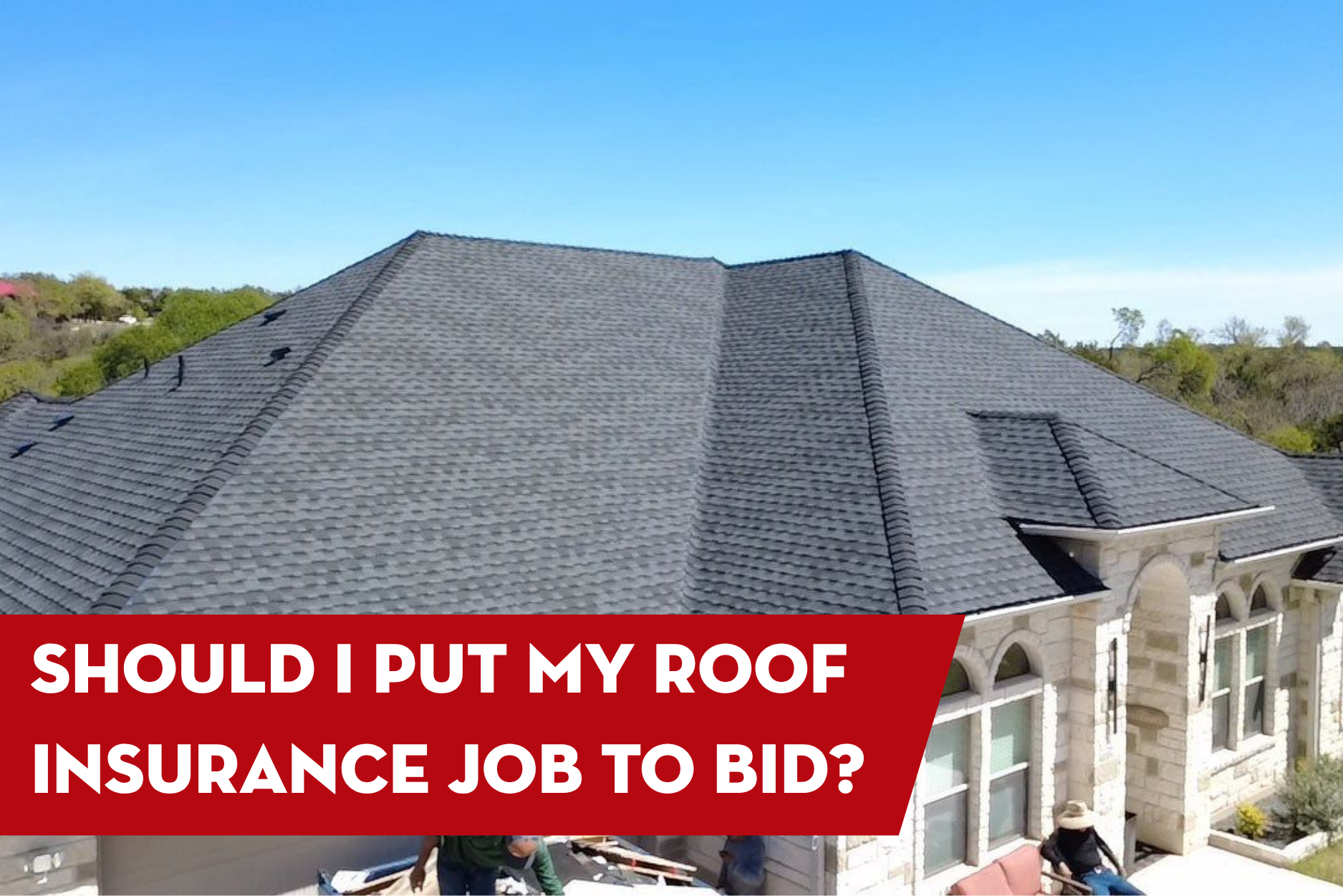
A denial is not always the end of it. Adjusters deny or underpay claims for reasons that can be challenged: the inspection was rushed, hail damage was labeled wear and tear, or the scope missed code-required items. Start by requesting the denial in writing with the specific reason. Then have a roofer who documents storm damage with photos and test-square counts review it. If the evidence supports the claim, you can request a re-inspection or submit a supplement with the new documentation. KangaRoof helps document damage and meets the adjuster on site, and the homeowner files the claim. This post covers what to do when a roof insurance claim is denied in Texas.
11. Can a Roofer Pay My Deductible in Texas?
No. Since 2019, Texas law (HB 2102) has made it illegal for a roofing contractor to waive, absorb, or rebate your insurance deductible. If a roofer offers a "free roof" with no deductible, that is your signal to walk away, because a company willing to cut that corner will cut others on your roof. You do get to choose your own roofer in Texas; the insurance company cannot pick one for you. KangaRoof works with your adjuster and documents everything so the claim is paid correctly, and you pay your deductible as your policy requires. More detail here: can a roofing company pay my deductible in Texas.
Timeline and Process
12. How Long Does a Roof Replacement Take?
In our experience, most residential roof replacements are completed in one day. Professional roofing crews bring enough team members to remove the old roof and install the new system on the same day whenever possible.
Some projects take longer depending on the situation. Factors that can extend the timeline include:
- Large homes with more square footage
- Very steep roofs
- Complex roof designs with multiple angles
- Structural repairs to the decking or framing
While homeowners often want the project completed quickly, a roof replacement should never feel rushed. A properly installed roofing system protects your home for decades, and that protection depends on careful installation.
Scheduling timelines also vary. Weather, material availability, and the contractor's current project schedule all play a role. If a roof has an active leak while waiting for installation, temporary repairs can usually be made to prevent further damage until the full replacement begins.
13. What Happens During the Roof Replacement Process?
Many homeowners are surprised by how structured the roof replacement process actually is. A professional installation follows a clear sequence:
1. Property protection and preparation. Crews begin by protecting landscaping, siding, windows, and other areas around the home.
2. Full tear-off of old roofing materials. The existing shingles and underlayment are removed down to the roof decking.
3. Deck inspection and repairs. Once the roof is exposed, installers inspect the decking for damage and replace any compromised sections.
4. Installation of underlayment and flashing. Water-resistant underlayment and flashing components are installed to protect vulnerable areas like valleys and roof penetrations.
5. Ventilation installation or upgrades. Proper ventilation regulates attic temperature and moisture, which extends the life of the roofing system.
6. Installation of the new roofing materials. Shingles, metal panels, or stone-coated steel panels are installed to manufacturer specifications.
7. Final quality inspection and cleanup. The crew performs a final inspection and removes debris from your property.
Remember that a roof is not just shingles. It is a system of layers that work together to protect your home.
14. Do I Need to Be Home During My Roof Replacement?
No. Most homeowners go to work as usual. Everything the crew needs is outside: access to the driveway for the dump trailer and material delivery, and a clear path around the house. Before the crew arrives, move vehicles out of the garage and driveway, take fragile items off walls and shelves since hammering vibrates the framing, cover anything in the attic you care about, and keep pets inside or away for the day. If you work from home, plan for noise; a tear-off is loud from start to finish. Your project manager walks the property with you before and after, and you get a final cleanup with a magnetic nail sweep whether you are there or not.
15. What Happens If It Rains During My Roof Replacement?
Crews watch the forecast and do not tear off more roof than they can dry in the same day. If a storm moves in early, the exposed section is already covered with synthetic underlayment, which sheds water on its own, and the crew adds tarps over any open decking before leaving. Your home does not sit open. If rain is forecast for the whole day, the job is rescheduled, which is the right call: shingles should not be installed on wet decking, and the seal strips need warmth and dry surfaces to bond. Spring in Central Texas, when hail season runs roughly March through June, is when this happens most. A one-day delay beats a roof installed in a downpour.
16. When Is the Best Time of Year to Replace a Roof in Central Texas?
Fall and early winter are usually the easiest to schedule, even with the occasional fall storm. Hail season runs roughly March through June and brings a rush of insurance work, so calendars fill and lead times stretch. Summer installs work, but on 100F plus days shingles get soft enough that foot traffic can scuff them. October through February gives mild temperatures for sealing, fewer weather delays, and a more open calendar. That said, if your roof is leaking or was hit by a storm, the best time is now. Waiting lets water into the decking and insulation, and a small repair becomes a replacement. Here is what happens when you wait too long.
17. Do You Need a Permit to Replace a Roof in Round Rock?
Permit rules are set by each city and they change, so check the current requirement with the city rather than a blog post. Many Central Texas cities require a permit for a full roof replacement, and some also inspect the finished install. Whatever the rule is, it is the contractor's job to know it and pull the permit, not yours. Ask any roofer you are considering two questions: who is pulling the permit, and will it be in the company's name? A contractor who suggests skipping the permit to save time or money is telling you how they will handle the rest of the job. Ask us and we will tell you exactly what your address requires.
Materials, Warranties, Maintenance, and Hiring
18. Metal Roof or Shingles: Which Is Better for Texas?
Both work well here. Architectural asphalt shingles are the most common choice in Round Rock because they cost the least up front, install in a day, and handle hail reasonably when you choose a Class 4 impact-rated product. Metal costs more, starting around $1,150 to $1,470 per square per our calculator versus $350 to $618 for shingles, but it lasts decades longer, reflects summer heat, and sheds hail and wind better. If you plan to stay in the home 15 years or more, metal often wins on total cost. If you plan to sell in five, shingles make more sense. Compare them in metal roof vs shingles and on our metal roofing page.
19. What Does a Roof Warranty Cover?
Every new roof carries two warranties, and homeowners often confuse them. The manufacturer's warranty covers defects in the shingles themselves, such as premature cracking or granule loss. It does not cover installation mistakes, and most manufacturers will not honor it if the roof was installed outside their specifications. The workmanship warranty comes from the roofer and covers the installation: flashing, nailing, ventilation, and leaks caused by how the roof was put on. Storm damage is not a warranty item; that is what insurance is for. KangaRoof is a GAF Master Elite contractor, which gives our customers access to GAF's enhanced warranty options. Read more in the benefits of GAF's warranties.
20. How Do I Maintain My Roof?
A roof does not need much, but it needs it consistently. Keep gutters clear so water drains instead of backing up under the shingle edge; our gutter services can help if yours are failing. Trim branches that touch or hang over the roof. Look up after every hail or wind event and walk the yard for granules, shingle pieces, or dented gutters and vents. Do not pressure wash shingles. Have the roof inspected once a year and after any serious storm; it is free with KangaRoof, and catching a lifted shingle or cracked pipe boot early is the difference between a small repair and a ceiling stain. Here are 10 warning signs your roof is not safe.
21. How Do I Know a Roofer Is Legitimate?
After a hail storm, out-of-town crews flood Round Rock neighborhoods and are gone once the checks clear, so verify before you sign. Look for a physical local office you can drive to, not a P.O. box. Ask for proof of insurance and call the carrier to confirm it is active. Read recent Google reviews, not just the star rating. Check for manufacturer certification such as GAF Master Elite, which requires a track record. Get the price in writing and ask whether it can change. KangaRoof is at 1317 Sam Bass Rd in Round Rock, family owned since 1992, with a 4.8 star rating across 840 plus Google reviews. See how to find a roofer you can trust.
Making an Informed Roofing Decision
A roof repair or replacement is a significant project, but it does not have to be confusing. Understanding how inspections work, what drives pricing, how insurance fits in, and what to expect during installation makes the process much easier to navigate.
If you are unsure about the condition of your roof, the best place to start is a professional inspection. At KangaRoof, we offer free, no-pressure roof inspections for homeowners in Round Rock, the Austin area, and Dallas-Fort Worth. We evaluate the full roofing system and give you clear information about what we find. If a repair is the right solution, we will tell you. If a replacement makes more sense, we will explain why and walk you through your options with guaranteed pricing.
Have a roofing question that is not answered here? Call (512) 388-7663 or schedule your free, no-pressure roof inspection today.
Based in Round Rock? See our Round Rock roofing company page for local response times, the neighborhoods we serve, and answers to common Round Rock roofing questions.
Related reading
- Top 5 Roofing Companies in Central Texas (2026 Guide)
- Beyond Just a Roof: Experience the KangaRoof Difference
- Dealing with Common Commercial Roof Problems
- Read KangaRoof reviews


.jpg?width=1280&height=667&name=Why%20Is%20My%20Deductible%20So%20High%20thumb%20(1).jpg)